
Forestry Mulching
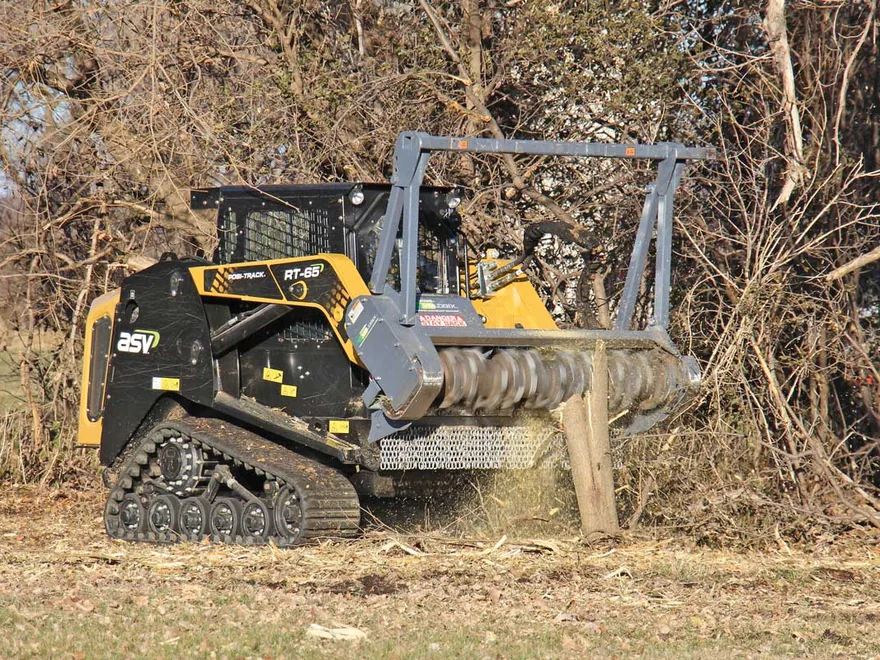
The mulching head on our skid steer grinds brush and small trees into mulch that stays on the ground. The oaks and mottes you mark stay standing.
Learn More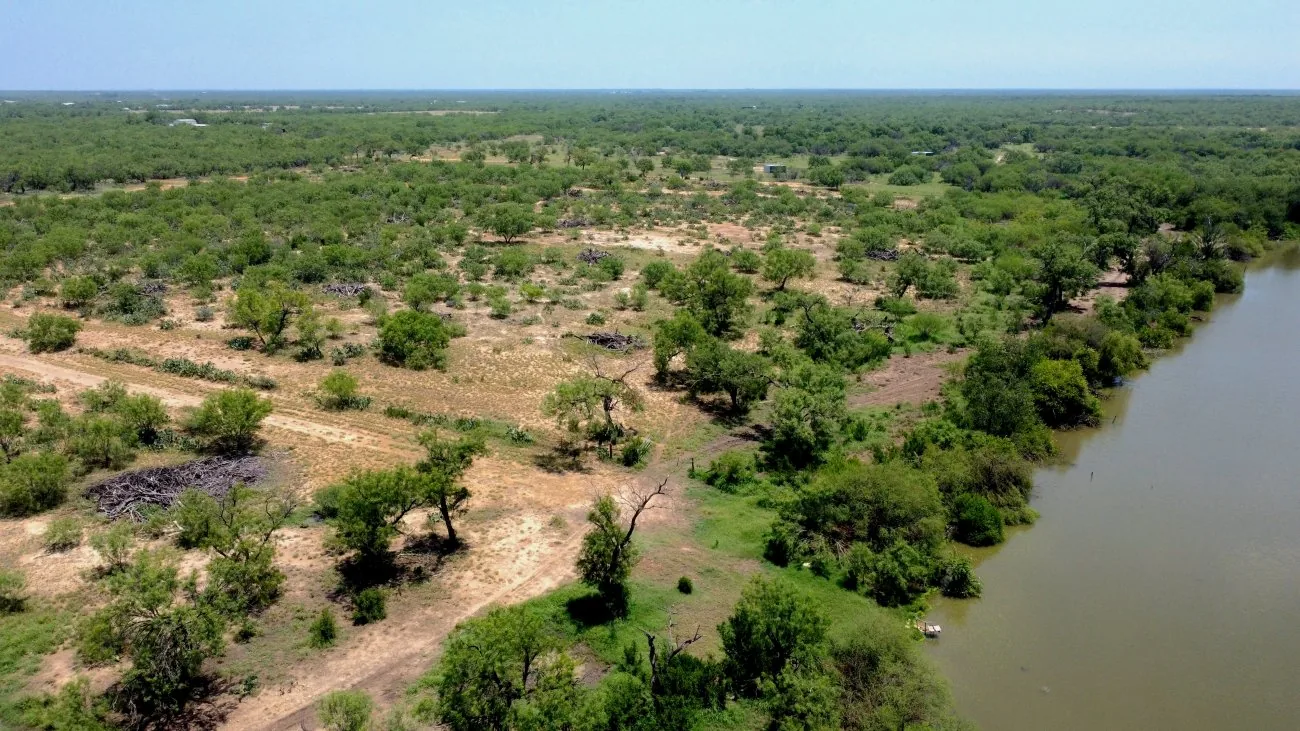
Carrizo Springs is the seat of Dimmit County, about 80 road miles up US-83 from Laredo. The 2022 Census of Agriculture counted 211 farms and ranches in the county, averaging 1,632 acres. On that land, mesquite, blackbrush, whitebrush and prickly pear crowd into the pasture. Left alone, a cleared pasture or a fence line fills back in with brush.
Iron Steer Land Services does land clearing across the South Texas brush country. Carrizo Springs is part of our service area. Here a skid steer with a mulching head clears pasture, lots, fence lines and senderos. Call or text (956) 206-3992, and we look at the land and put the quote in writing.
Tell us about the land and the work it needs. We look at the land or your photos of it, then put the quote in writing.
The county's own history says that in the mid-1800s, Dimmit County was grassland filled with brush and cactus. Today the brush changes with the soil underneath. Soil descriptions from the Natural Resources Conservation Service (NRCS) show the pattern around town.
Brystal fine sandy loam near town carries blackbrush, mesquite, whitebrush and tasajillo. Maverick clay loam on the ridges grows scrubby mesquite and blackbrush. On the creek bottoms, Cochina clay grows big mesquite, with oak and elm along the banks. On worn range, NRCS lists mesquite and prickly pear as the plants that move in.
The NRCS reference site for Antosa soil lies a few miles south of town, reached by FM 186. Antosa holds 20 to 40 inches of sand over a loamy subsoil, formed on the Carrizo Sand. In good shape it grows bluestem grass with scattered live oak mottes. Forestry mulching takes out the mesquite and leaves the mottes you mark.
Most of the ground in and around the city maps as sandy soil, mainly Brystal fine sandy loam and Antosa. Patches of Olmos very cobbly loam sit near the center of town. Olmos runs only 4 to 20 inches deep over a cemented lime layer, the caliche of South Texas. On that ground, a post hole or a trench reaches caliche within 20 inches.
On the flats, Montell clay cracks open as it dries, and cracks can run over 2 inches wide. Once it is wet and the cracks close, water soaks in very slowly. Mulch left on the ground after clearing covers that bare soil.
The 2020 census counted 4,892 people in the city. Census survey data put the median home's build year at 1978, and more than half went up before 1980. About a third of the people in the 78834 ZIP area live outside the city limits. Out there, a new homesite or a set of pens often starts with brush clearing.
The town takes its name from springs the Spanish named for the cane grass that once grew around them. Fifteen families from Atascosa County settled there in 1865, says the Handbook of Texas. By 1904, about 30 artesian wells near town watered more than 1,000 acres of new cropland.
That water put Dimmit County in the Winter Garden, a region known for irrigated vegetables like onions and spinach. The Texas Water Development Board says Winter Garden water levels have dropped from irrigation pumping. The Wintergarden Groundwater Conservation District, with its office in Carrizo Springs, covers all of Dimmit County. On a ranch, a trench carries the water line from the well to a trough or a tank.
Rain is light, about 19.6 inches a year in NOAA's 1991 to 2020 normals for the Carrizo Springs station. May and September bring the most. Carrizo Creek passes within about half a mile of the town center, per USGS maps. The county's history says many local creeks go dry in drought.
The Railroad Commission of Texas lists Dimmit County in the Eagle Ford Shale. The play runs from the Mexican border into East Texas, about 50 miles wide. Where a pipeline or lease road crosses a ranch, right of way clearing keeps the easement open.
Southeast of town, the Texas Parks and Wildlife Department (TPWD) runs the Chaparral Wildlife Management Area. Its 15,200 acres of brush country sit in Dimmit and La Salle counties. TPWD says about 65 percent of it had machine work to cut back brush before the 1960s. On private hunting ranches, sendero clearing cuts the wide lanes where hunters set feeders and stands.
The Dimmit Central Appraisal District in Carrizo Springs handles ag and wildlife valuations in the county. Its ag policy says 30 acres should be the minimum for ranch land ag use. For wildlife use, the land needs at least three listed practices, and habitat control is one. We do the brush management for a wildlife valuation that your plan calls for.
Communities and areas we serve around Carrizo Springs: Carrizo Hill, Asherton, Big Wells, Brundage, Catarina, US-83 corridor, US-277 toward Eagle Pass, TX-85 toward Dilley, FM 186, Carrizo Creek, Nueces River.
Carrizo Springs ZIP codes served: 78834.
Carrizo Springs is part of our service area. We look at the land first, then put the quote in writing.
(956) 206-3992 The mulching head on our skid steer grinds brush and small trees into mulch that stays on the ground. The oaks and mottes you mark stay standing.
Learn More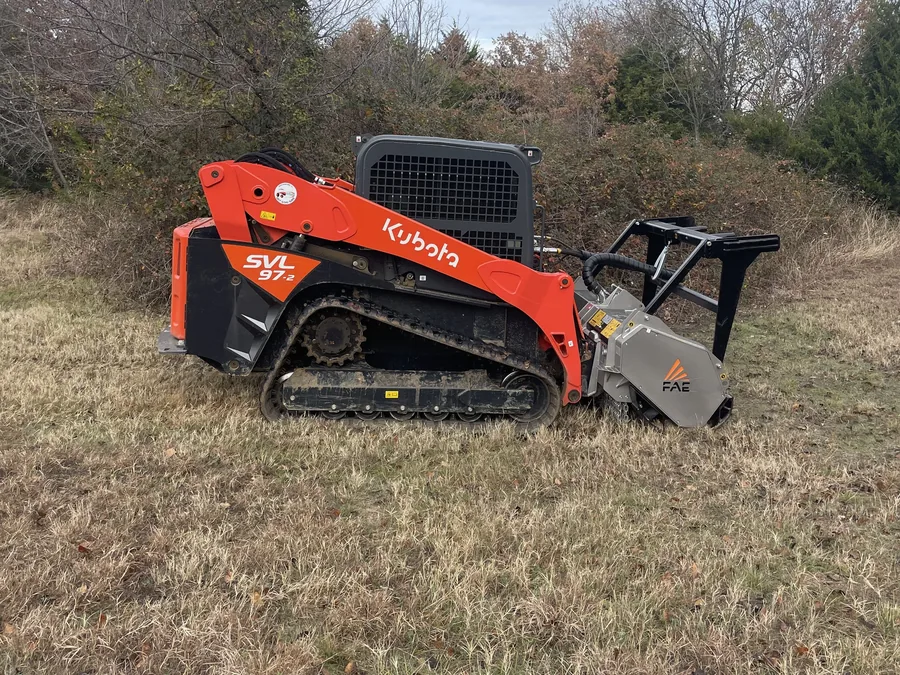
We clear mesquite, huisache, blackbrush and prickly pear from overgrown pasture and lots. The mulching head grinds the brush where it stands, and the rippers root plow what must stay open.
Learn More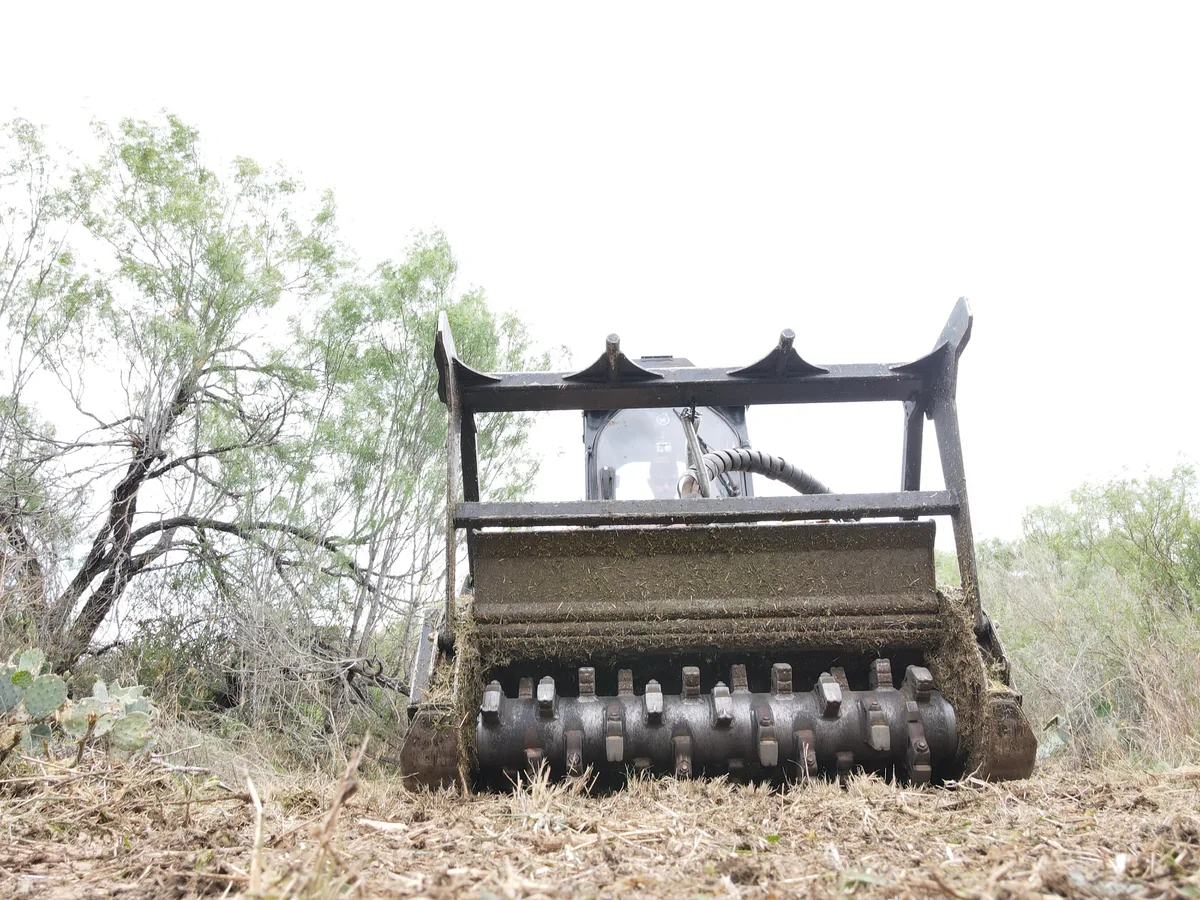
We cut new senderos and re-open old ones on hunting ranches around Laredo. The mulching head clears the lane, and the rippers root plow it where it needs to stay open.
Learn More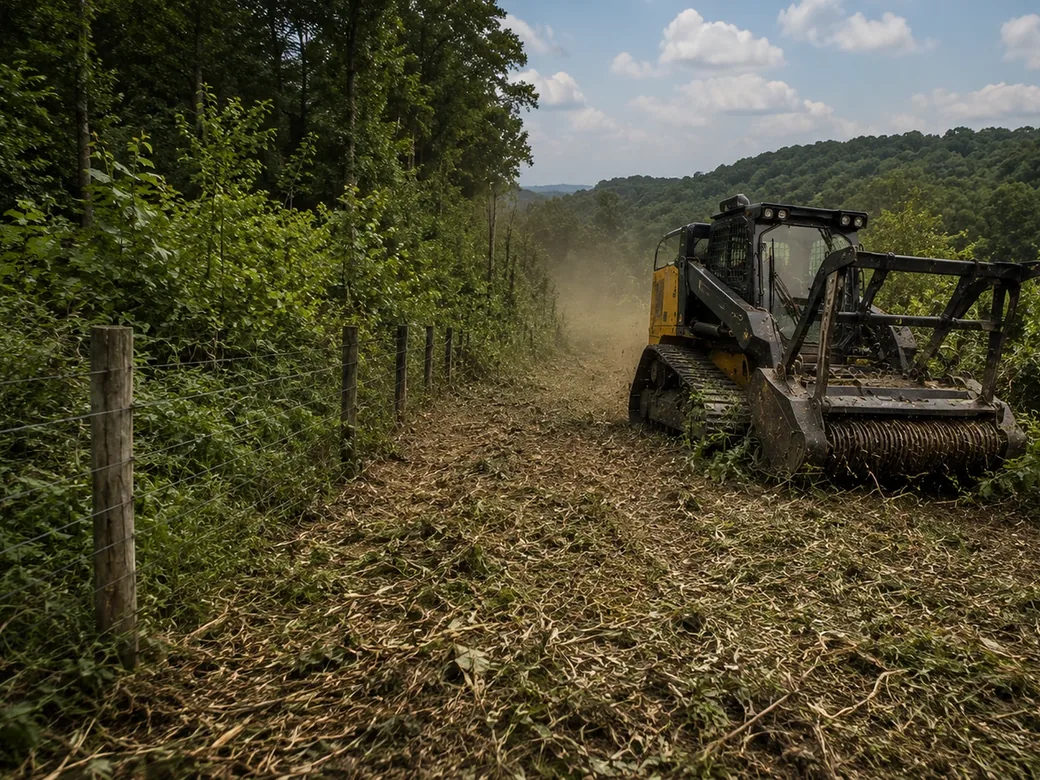
We clear mesquite and brush off old fence lines and cut the path for new ones. New lines get root plowed before the fence crew comes.
Learn More
The auger on our skid steer drills fence post holes for ranch fences, game fences, pens and gates. Your fence builder gives the spacing and depth, and we drill to it.
Learn More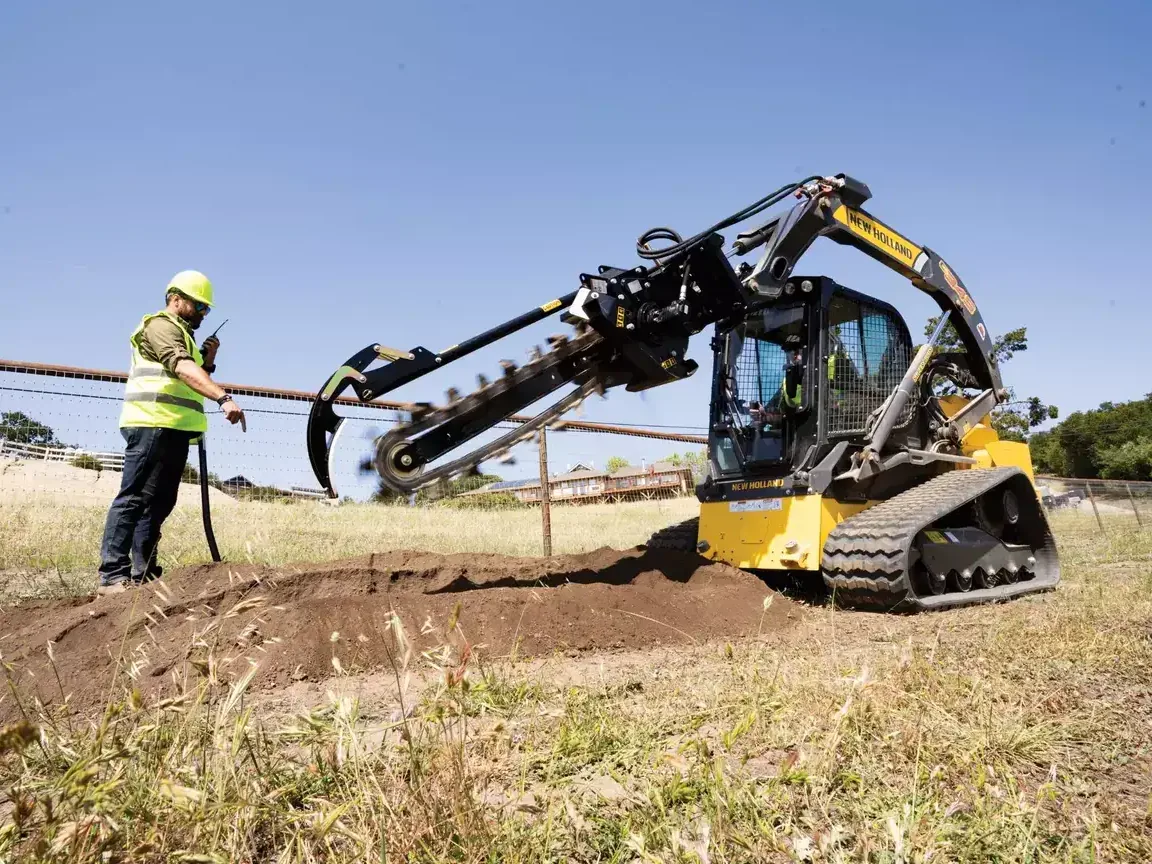
The trencher on the skid steer cuts trenches for water lines and electric runs on ranches and rural land. Your plumber or electrician marks the route and the depth, and we cut to match.
Learn More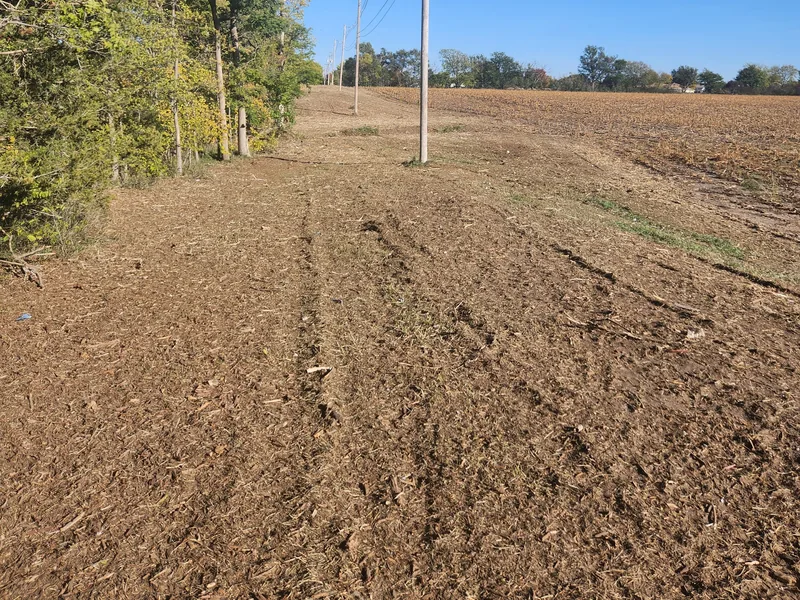
We clear and mulch brush along pipeline rights of way and around pads in the Eagle Ford. A smaller operator or a big crew with overflow work gets an extra machine.
Learn More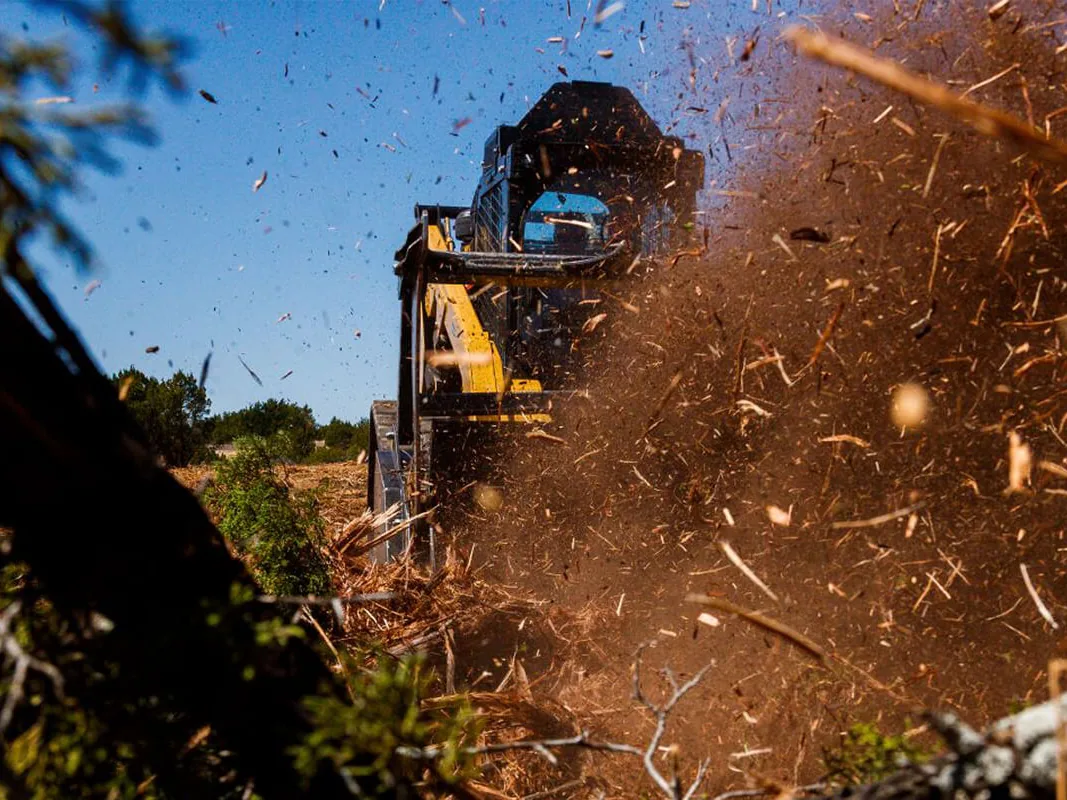
The mulching head and rippers on our skid steer do the brush work a Texas wildlife management plan calls for. You write the plan, alone or with a biologist, and we clear to the acres and pattern it lists.
Learn MoreA few of the questions we hear most around Carrizo Springs. If yours is not here, call or text and ask.
Tell us where the property is and the work it needs, and send photos if you have them. Call or text (956) 206-3992 or use the form, and we will get back to you.
Tell us about the land and the work it needs. We look at the land or your photos of it, then put the quote in writing.