
Trenching
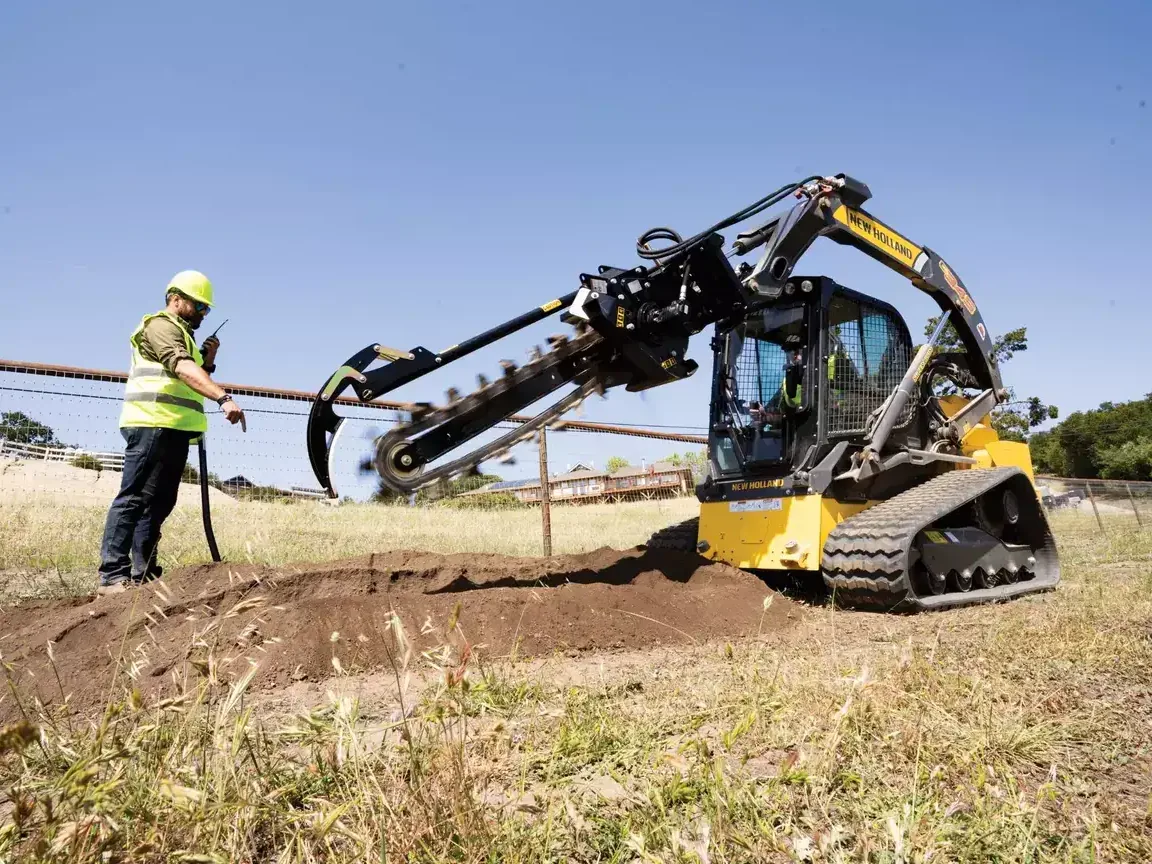
The trencher on the skid steer cuts trenches for water lines and electric runs on ranches and rural land. Your plumber or electrician marks the route and the depth, and we cut to match.
Learn More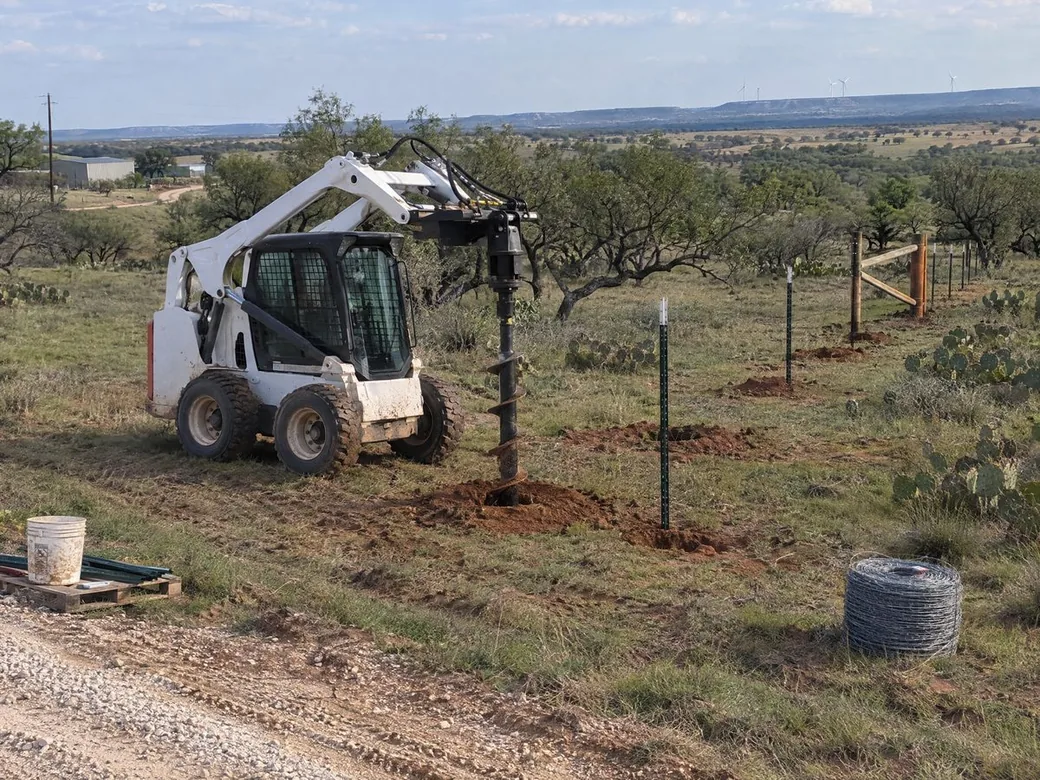
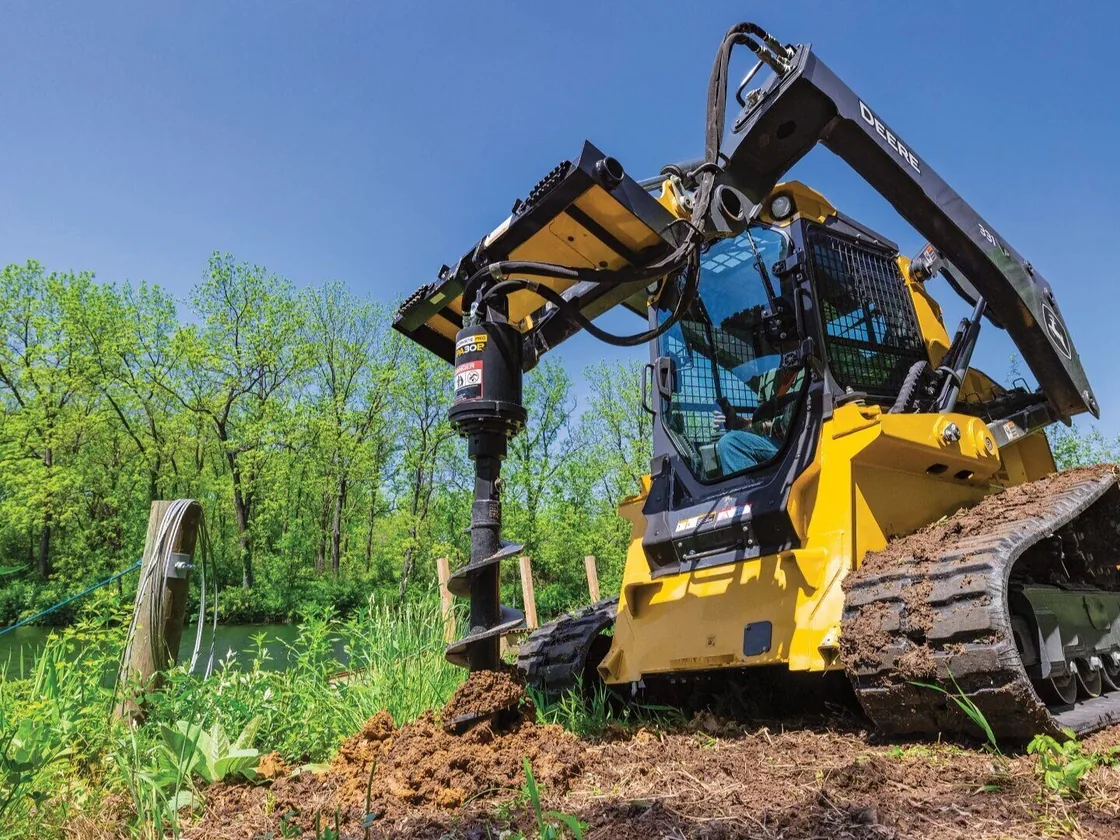
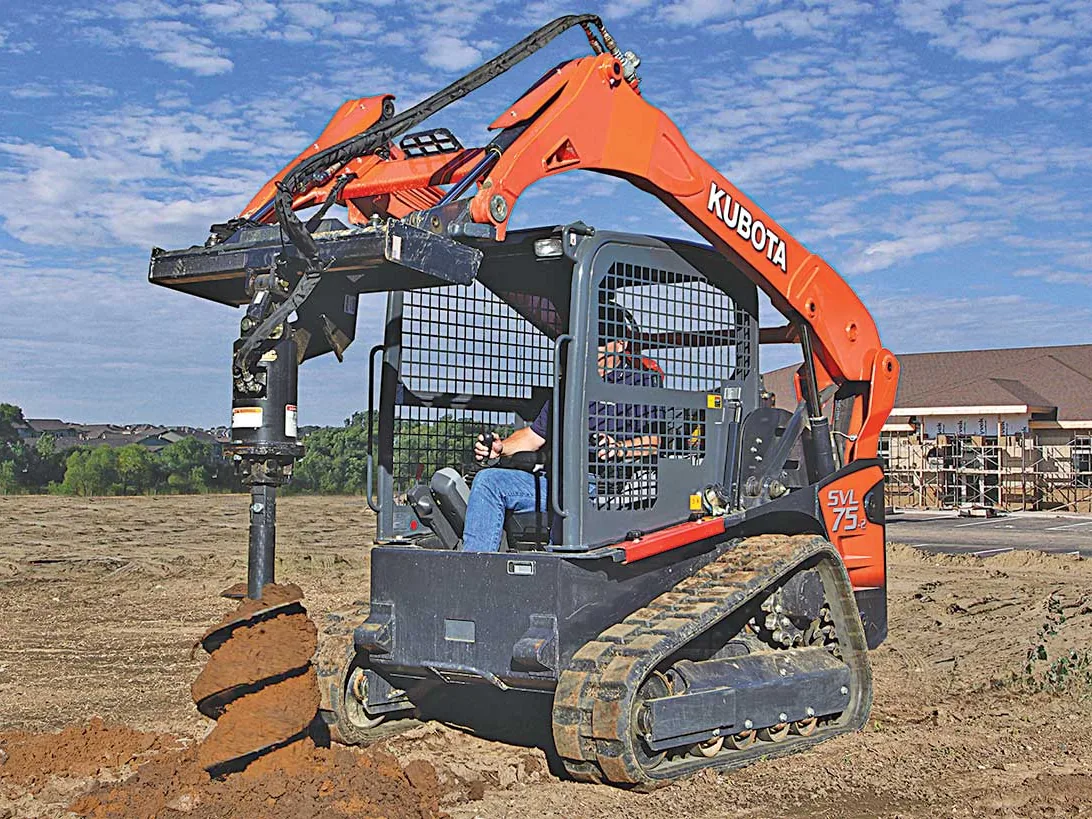
Post hole digging by hand is slow going in South Texas, where caliche and clay are common. Iron Steer Land Services drills fence post holes with an auger on a skid steer. The machine comes to your ranch or lot on a trailer. It drills at the spacing and depth your fence builder gives.
We drill post holes for ranch fences, game fences, pens, corrals, barns, sheds, gates and signs. A job can be a few holes for a gate or a whole perimeter. When brush still covers the line, fence line clearing comes before the auger. Post hole digging is one part of our land clearing work around Laredo.
Tell us about the land and the work it needs. We look at the land or your photos of it, then put the quote in writing.
Hunting ranches across Webb County and the counties around it often run high game fences. NRCS, the Natural Resources Conservation Service, publishes a fence specification for Texas. It sets the top wire of a deer fence at an average of 8 feet. Line posts stand no more than 20 feet apart, so a big pasture takes a lot of holes.
Pens and corrals put more posts into a smaller space. The same specification lists pipe among the fences generally used around corrals and homesteads. We drill those pipe fence post holes, plus holes for barn and shed posts.
A pen full of stock needs water too. Trenching for a water line to the trough is another job for the skid steer.
Your fence builder sets both, and we drill to those numbers. Depth and spacing turn on the kind of fence, the wire, the soil and the stock it holds. A barbed wire cattle fence and a deer fence call for different numbers.
As a reference, the NRCS specification calls for line posts 24 inches in the ground. Brace posts at corners and gates go at least 3 feet deep unless they are driven. It adds that terrain or heavy pressure from livestock can call for tighter spacing.
That specification calls for a brace on both sides of a gate opening. It also lets mesquite and cedar posts go in untreated. Stake the corners and gates before the machine comes, and the auger follows your plan.
Caliche is a whitish soil layer cemented together by calcium and magnesium carbonates. It can be a soft thin layer or a hard thick bed. Along the Rio Grande, the federal soil survey puts hard caliche about 9 inches down in Jimenez soils. A line post set 24 inches deep has to cut into a layer like that.
Clay is the other common ground. Catarina clay covers more of Webb County than any other soil in the federal soil survey. The survey says that soil is driest from June through August and December through February. Dry clay cracks and sets up hard, and wet clay turns sticky.
Hand tools fight both kinds of ground. The skid steer puts hydraulic power and its own weight behind the auger, so the machine does the hard part. You can look up the soil on your own land in the federal Web Soil Survey.
Call or text for a written quote. We work about 100 miles around Laredo across the South Texas brush country.
(956) 206-3992From the first call or text to the finished work, here is how it goes.
Call or text (956) 206-3992 and tell us where the land is and what it needs. Photos of the brush help.
We look at the land in person or in your photos. You show us what stays and what goes.
The quote comes to you in writing, with the work spelled out. Once you say yes, we set a date.
We trailer the skid steer to the property. The mulching head grinds the brush, and the rippers root plow any lane that has to stay open. Trench and post hole jobs get the trencher or the auger.
The mulch stays on the ground as cover, around the oaks and mottes you kept. On trench jobs, we backfill after the line is in when the quote includes it.
Common questions about post hole digging around Laredo and the South Texas brush country. If yours is not here, call or text and ask.
The trencher on the skid steer cuts trenches for water lines and electric runs on ranches and rural land. Your plumber or electrician marks the route and the depth, and we cut to match.
Learn More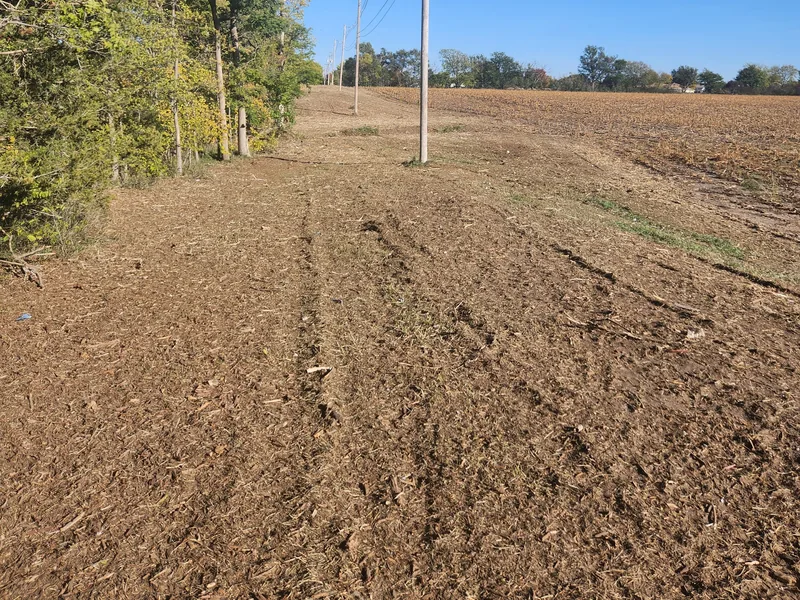
We clear and mulch brush along pipeline rights of way and around pads in the Eagle Ford. A smaller operator or a big crew with overflow work gets an extra machine.
Learn More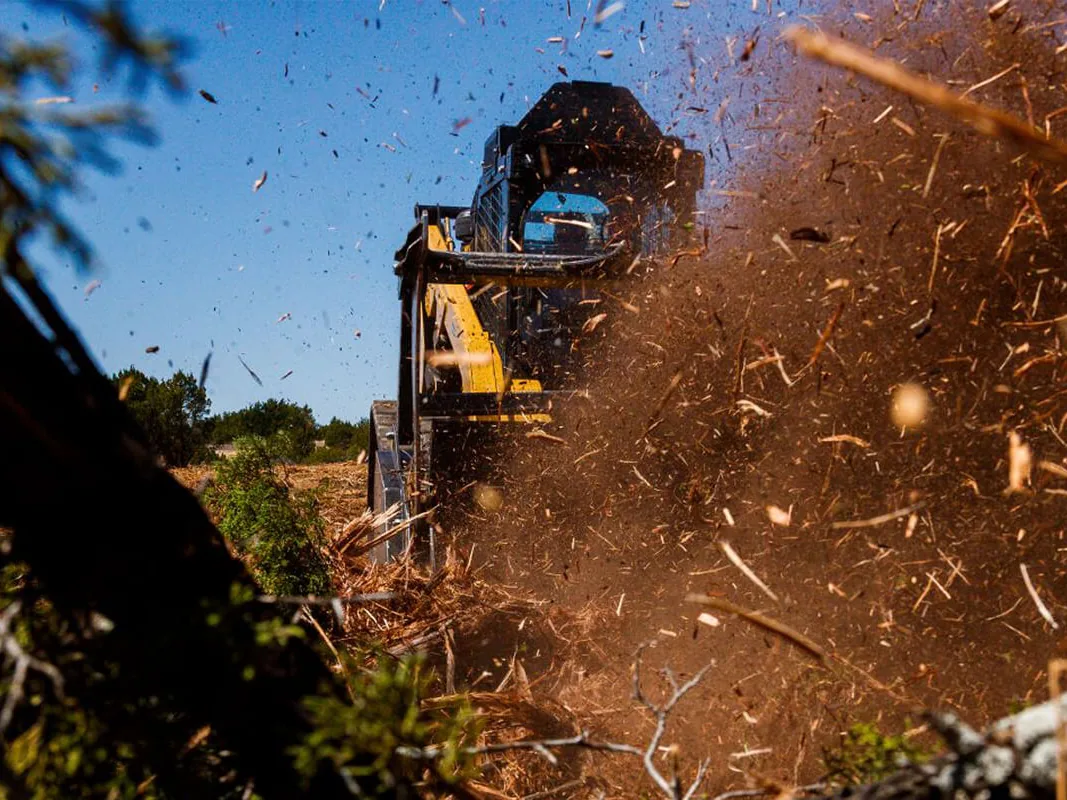
The mulching head and rippers on our skid steer do the brush work a Texas wildlife management plan calls for. You write the plan, alone or with a biologist, and we clear to the acres and pattern it lists.
Learn MoreThe skid steer runs a forestry mulching head, a trencher, an auger and rippers. The brush work and the dig work after it can come from one company.
The brush we clear stays on the land as a layer of mulch over the soil. Where regrowth has to stop, the rippers root plow the lane.
We look at the land first, or at the photos you text us. Then the quote comes to you in writing, with the work spelled out.
Laredo sits at the center of our service area. We work about 100 miles around it, from the border up to the edge of the Hill Country.
Tell us where the property is and the work it needs, and send photos if you have them. Call or text (956) 206-3992 or use the form, and we will get back to you.
Tell us about the land and the work it needs. We look at the land or your photos of it, then put the quote in writing.