
Forestry Mulching
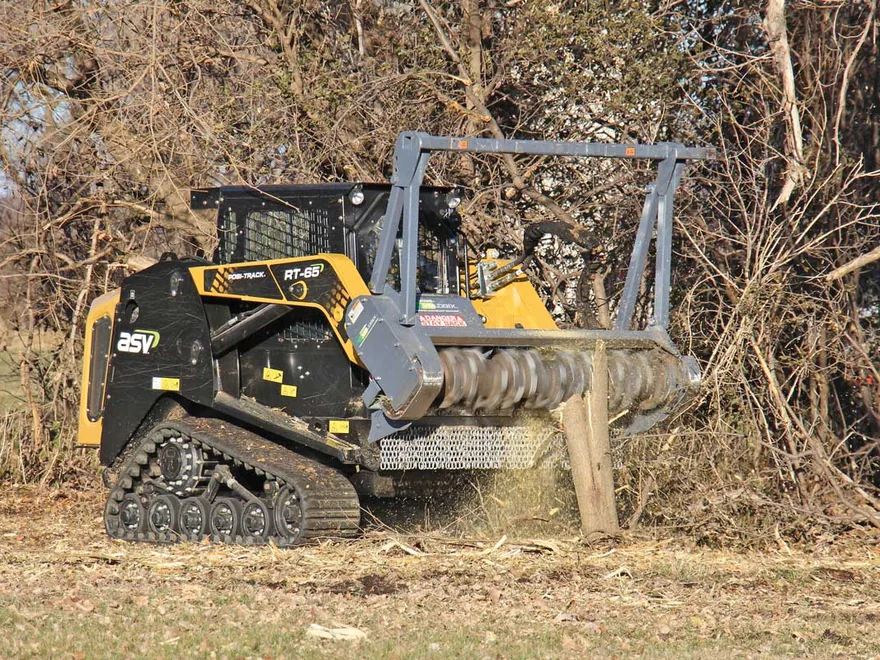
The mulching head on our skid steer grinds brush and small trees into mulch that stays on the ground. The oaks and mottes you mark stay standing.
Learn More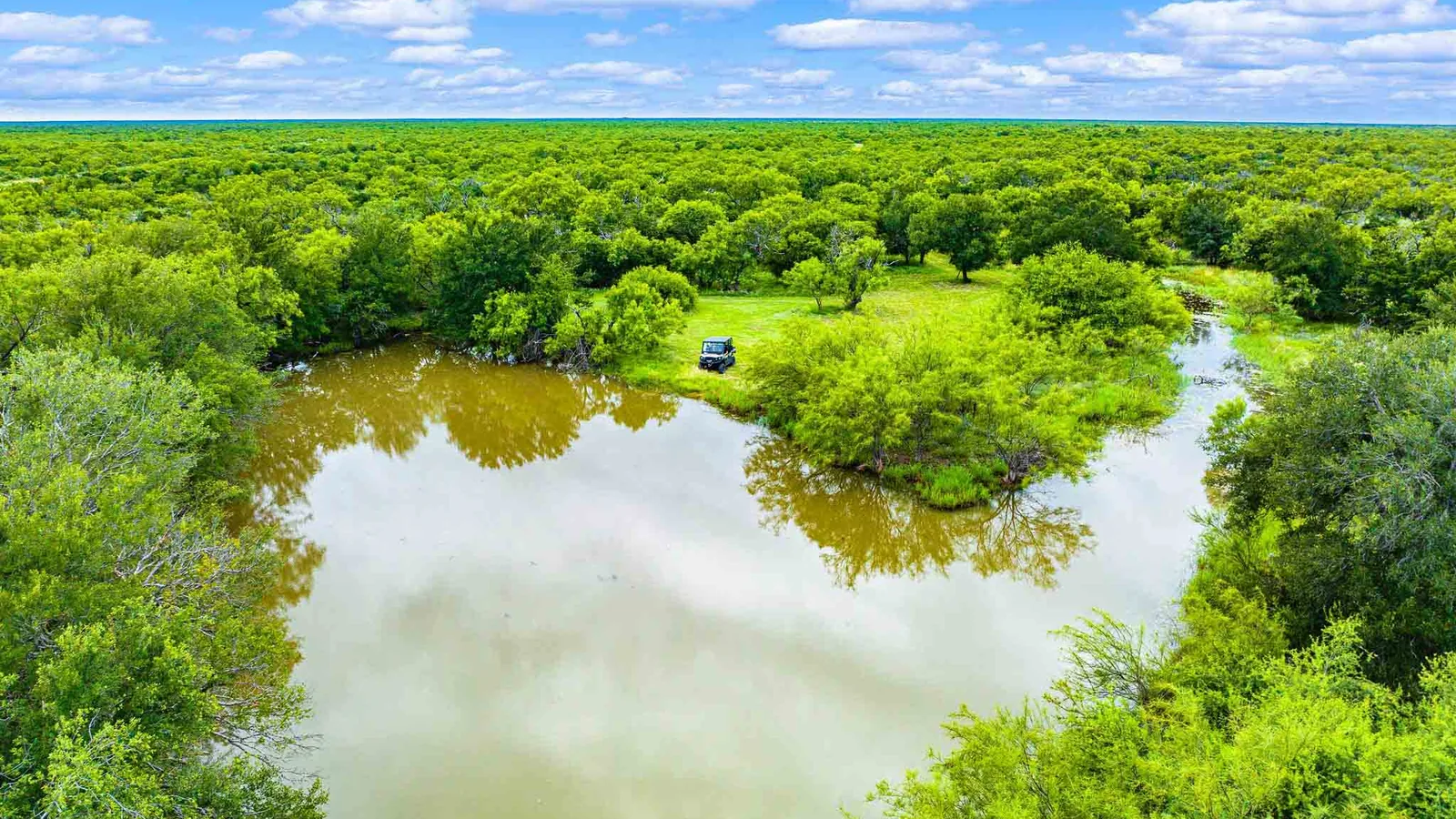
Land clearing in Eagle Pass starts with the brush on the ranch land around town. Mesquite and blackbrush close in on pastures and fence lines, and guajillo and prickly pear grow in between. Federal soil notes for Pryor and Catarina, two common soils near town, describe open grassland as the first plant cover. As the range wore down, those notes say, mesquite and other woody brush moved in.
Iron Steer Land Services works across the South Texas brush country, and Eagle Pass is part of our service area. A skid steer with a mulching head grinds brush and small trees into mulch where they stand. We do brush clearing on ranches and acreage lots, and the mulch stays on the ground as cover. Call or text (956) 206-3992, and we look at the land and put the quote in writing.
Tell us about the land and the work it needs. We look at the land or your photos of it, then put the quote in writing.
Eagle Pass sits on the Rio Grande. Texas Parks and Wildlife maps a brush type for the slopes along the river. Its vegetation map calls it Ceniza-Blackbrush-Creosotebush Brush, in a belt from near Langtry to near San Ygnacio. Guajillo and catclaw are on its list of plants that grow with it.
Soil maps from the Natural Resources Conservation Service (NRCS) show mostly clay and clay loam ground around town. Within about 7 miles of downtown, Pryor soils cover about a fifth of it, then Maverick, Elindio, Catarina and Copita. NRCS describes the Maverick soil from a reference site on rangeland northeast of town, off US 57. Its notes list scrubby mesquite and blackbrush first among the woody plants there.
North on US 277 past Quemado, NRCS describes gravelly Jimenez soils with cemented caliche about 9 inches down. Forestry mulching works above that hard layer: the mulching head grinds the brush, and the mulch covers the ground. Where regrowth has to stop, the rippers on the back of the skid steer root plow the lane. For new fences and pens, the auger drills post holes in caliche and clay.
NOAA's Eagle Pass weather station, just north of town, averages about 21 inches of rain a year. September is the wettest month, and May comes next. In a normal year, about 53 days reach 100 degrees.
The Rio Grande drains the western half of Maverick County, and the Nueces River drains the eastern half. Along the river, the Maverick County Irrigation Canal was carrying water to farm fields by April 1932. The Handbook of Texas calls it the largest gravity irrigation system in the state at that time.
Water wells tap the Carrizo Springs aquifer along the county's eastern edge, the Handbook adds. On a ranch, trenching for water lines cuts the path from a well or tank to the troughs and pens. A licensed plumber lays and connects the pipe once the trench is open.
The 2022 Census of Agriculture counted 234 farms and ranches in Maverick County, with an average of 1,409 acres. Pasture covered about 259,000 of their 329,643 acres. Most of these places are under 50 acres, while 33 cover 1,000 acres or more. Livestock made up 93 percent of the county's farm sales.
Hunting leases are a major use of ranch land in Maverick County, with white-tailed deer and quail among the game. On a hunting ranch, we cut new senderos and re-open old ones. A sendero is a long, wide cleared lane where hunters set feeders and stands. We also clear brush off fence lines before the fence crew comes.
The Railroad Commission of Texas lists Maverick County among the counties of the Eagle Ford Shale play. Oil development took off here in the mid-1950s, the Handbook of Texas says. Along pipeline easements and around pads, right of way clearing mulches the brush and keeps the route open. We can bring an extra machine for smaller oil and gas operators.
Census files show the city's land area grew from about 9.4 square miles in 2020 to 14.6 in 2025. Maverick County had 58,823 people in the 2025 estimate, and about half lived outside the city limits. About half the city's homes went up in 1990 or later, and more than a third in 2000 or later. On an acreage homesite, we clear the brush first, and the builder handles the pad and the drive.
Inside the city limits, the City of Eagle Pass Community Development Department runs the codes that govern development. Its forms include a tree removal permit application and a floodplain development permit application. The tree form sets the size at 6 inches or more across, measured 24 inches above the ground. Clear cutting protected trees that size needs a permit first on any property but a single-family homesite.
Outside the city, Maverick County lists its own Planning Department and a Building Inspector. Both the city and the county take part in the National Flood Insurance Program, with flood maps dated April 2011. Under federal flood rules, a trench inside a mapped flood zone counts as development. Ask the city or county first.
Communities and areas we serve around Eagle Pass: Las Quintas Fronterizas, Eidson Road, Chula Vista, Rosita, Fabrica, Seco Mines, Siesta Acres, Elm Creek, Radar Base, Normandy, Quemado, El Indio.
Eagle Pass ZIP codes served: 78852, 78853.
Eagle Pass is part of our service area. We look at the land first, then put the quote in writing.
(956) 206-3992 The mulching head on our skid steer grinds brush and small trees into mulch that stays on the ground. The oaks and mottes you mark stay standing.
Learn More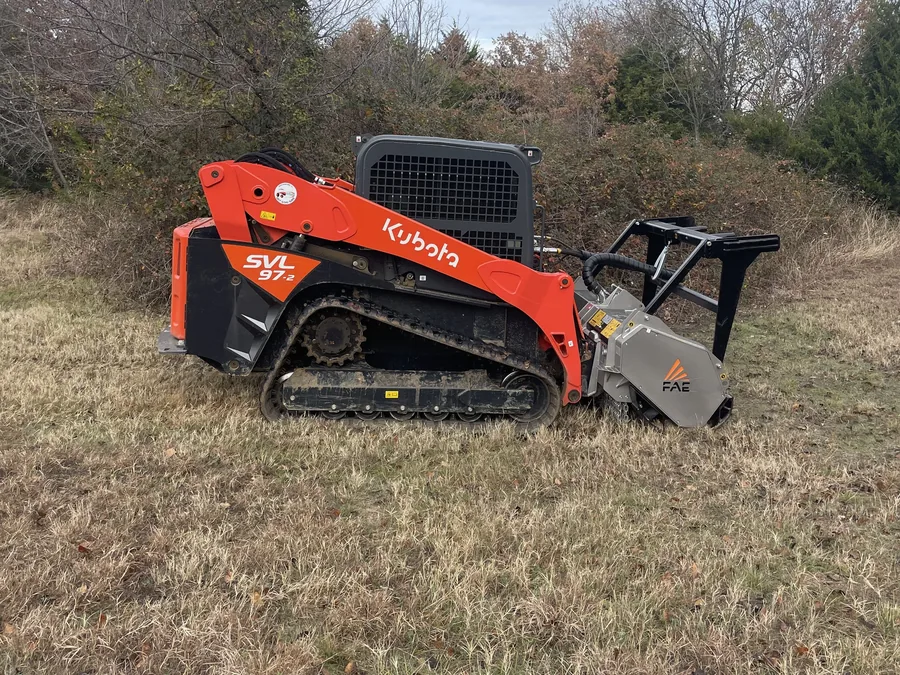
We clear mesquite, huisache, blackbrush and prickly pear from overgrown pasture and lots. The mulching head grinds the brush where it stands, and the rippers root plow what must stay open.
Learn More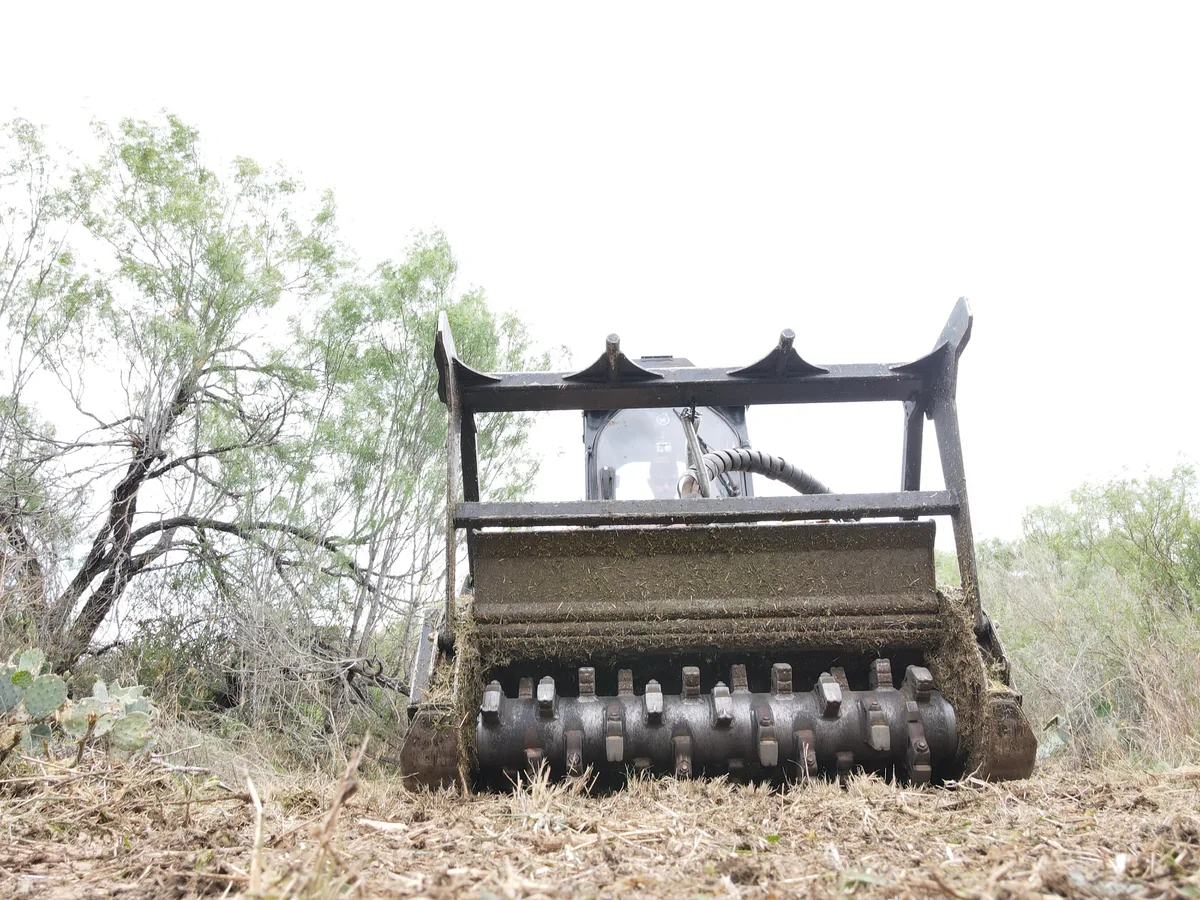
We cut new senderos and re-open old ones on hunting ranches around Laredo. The mulching head clears the lane, and the rippers root plow it where it needs to stay open.
Learn More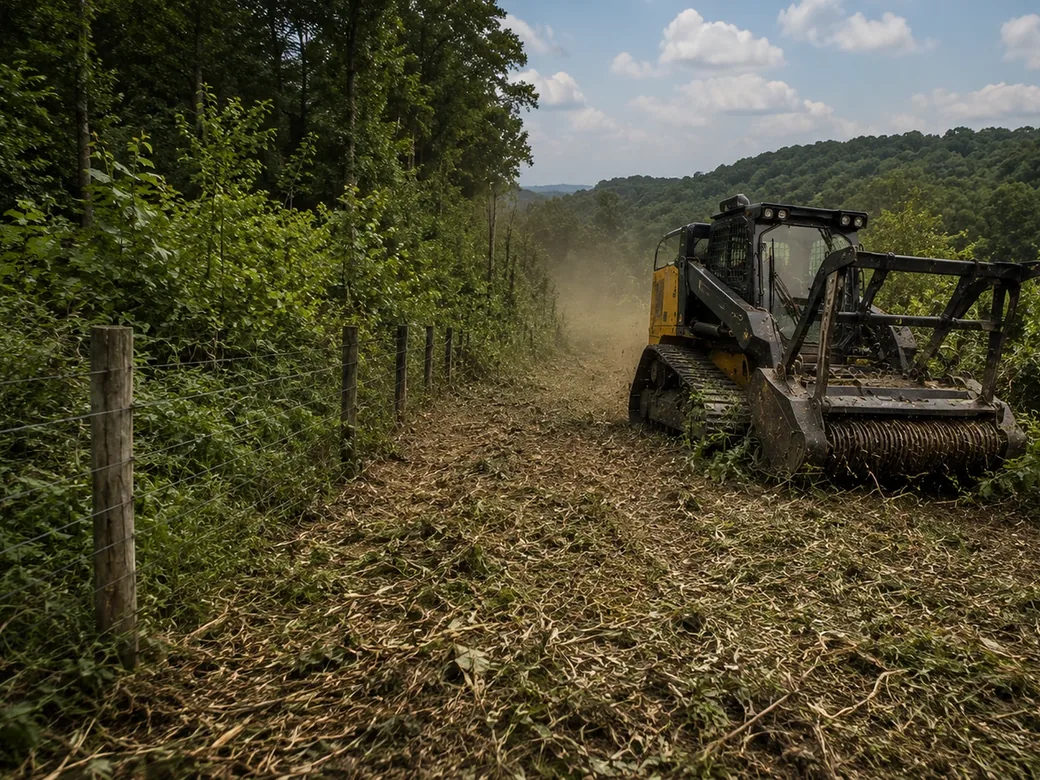
We clear mesquite and brush off old fence lines and cut the path for new ones. New lines get root plowed before the fence crew comes.
Learn More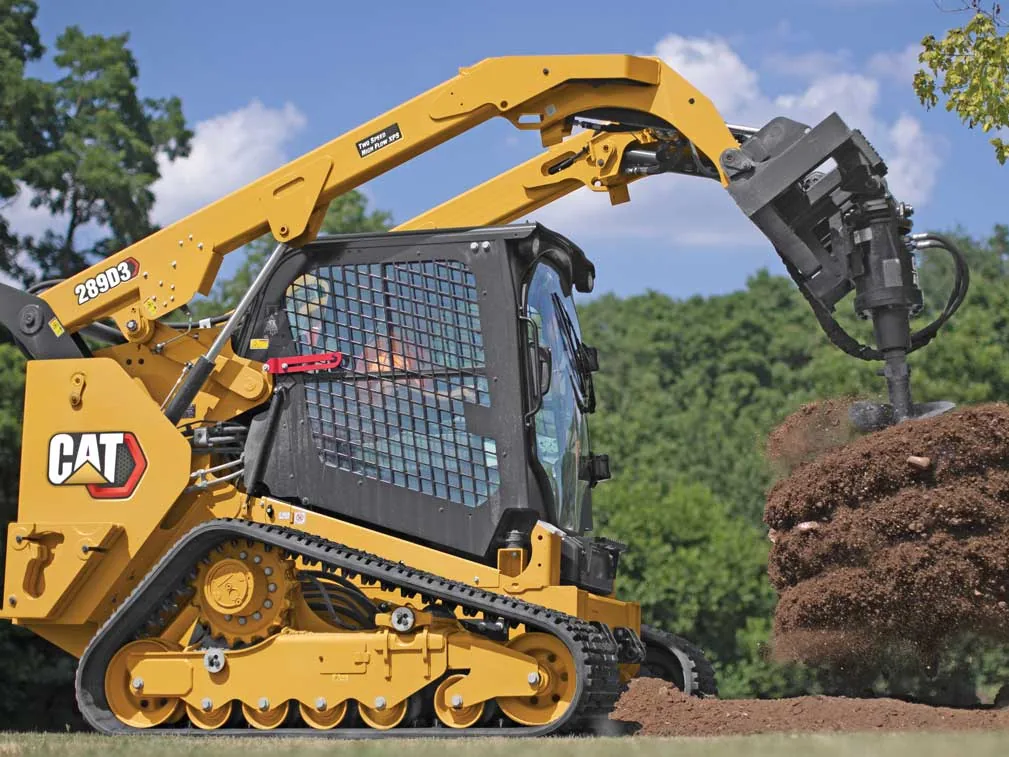
The auger on our skid steer drills fence post holes for ranch fences, game fences, pens and gates. Your fence builder gives the spacing and depth, and we drill to it.
Learn More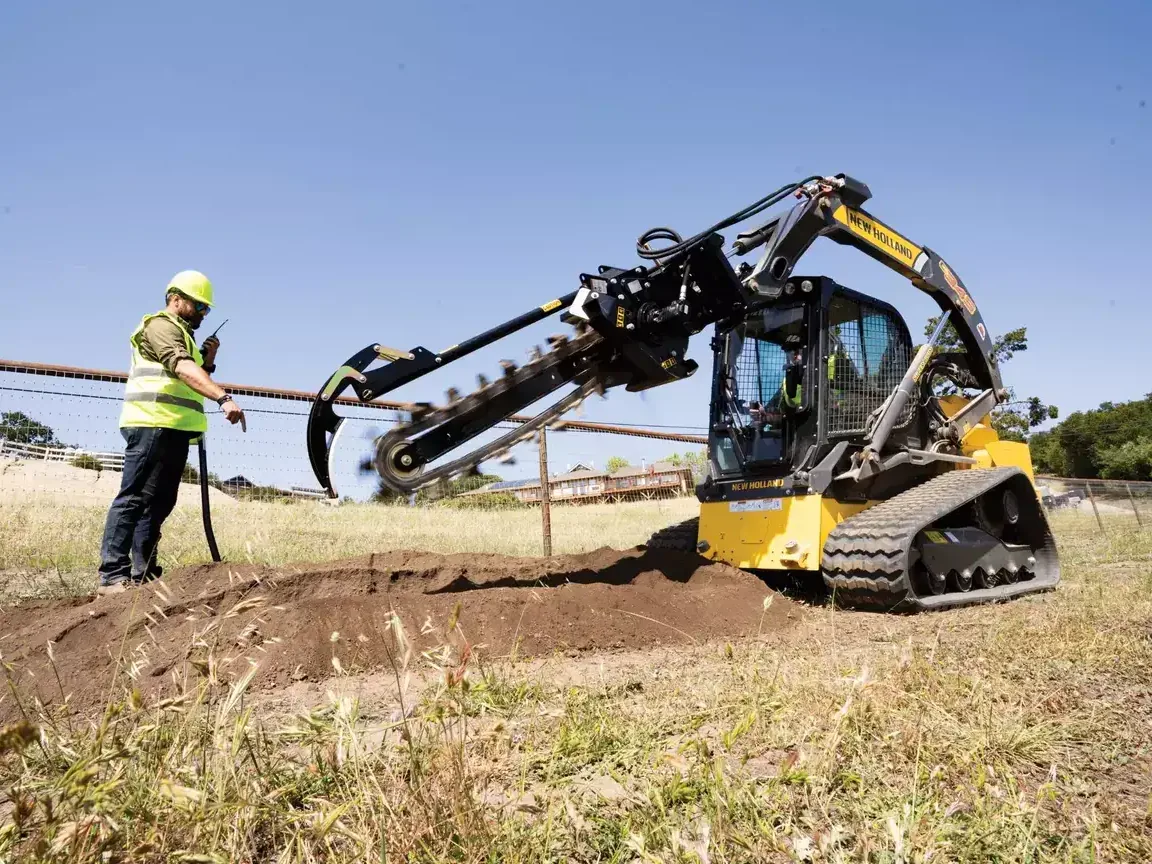
The trencher on the skid steer cuts trenches for water lines and electric runs on ranches and rural land. Your plumber or electrician marks the route and the depth, and we cut to match.
Learn More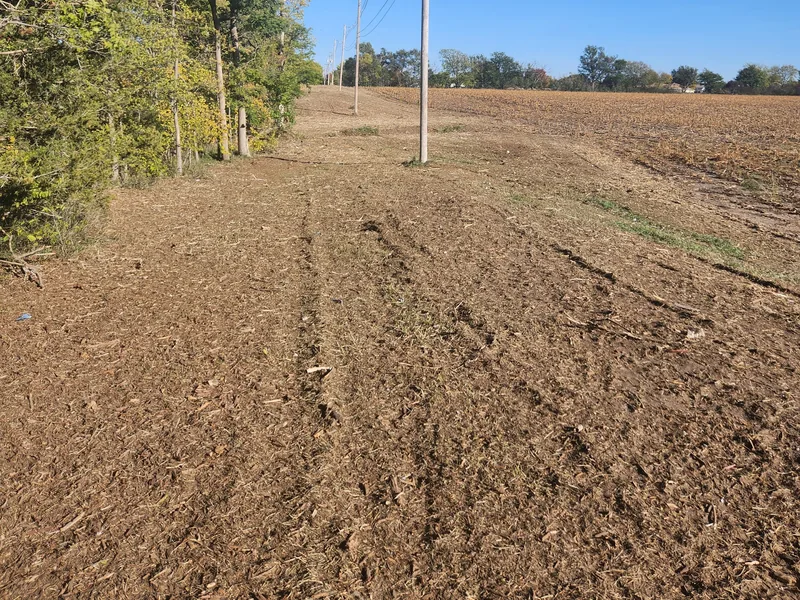
We clear and mulch brush along pipeline rights of way and around pads in the Eagle Ford. A smaller operator or a big crew with overflow work gets an extra machine.
Learn More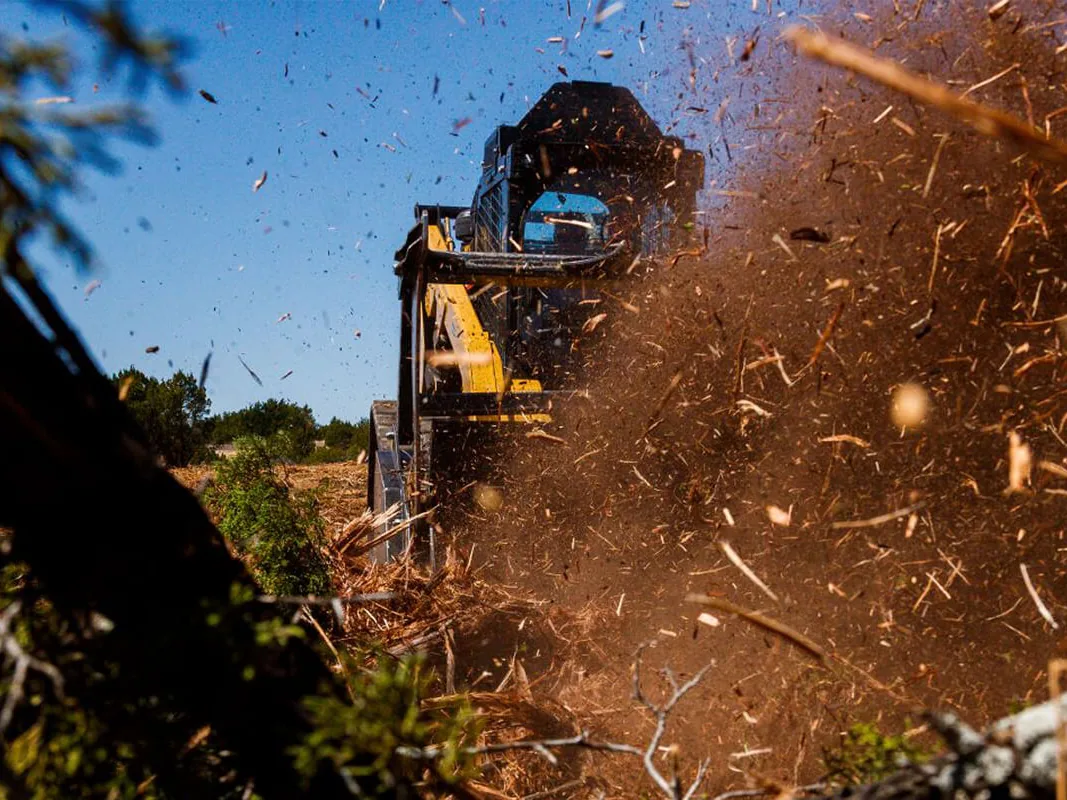
The mulching head and rippers on our skid steer do the brush work a Texas wildlife management plan calls for. You write the plan, alone or with a biologist, and we clear to the acres and pattern it lists.
Learn MoreA few of the questions we hear most around Eagle Pass. If yours is not here, call or text and ask.
Tell us where the property is and the work it needs, and send photos if you have them. Call or text (956) 206-3992 or use the form, and we will get back to you.
Tell us about the land and the work it needs. We look at the land or your photos of it, then put the quote in writing.