
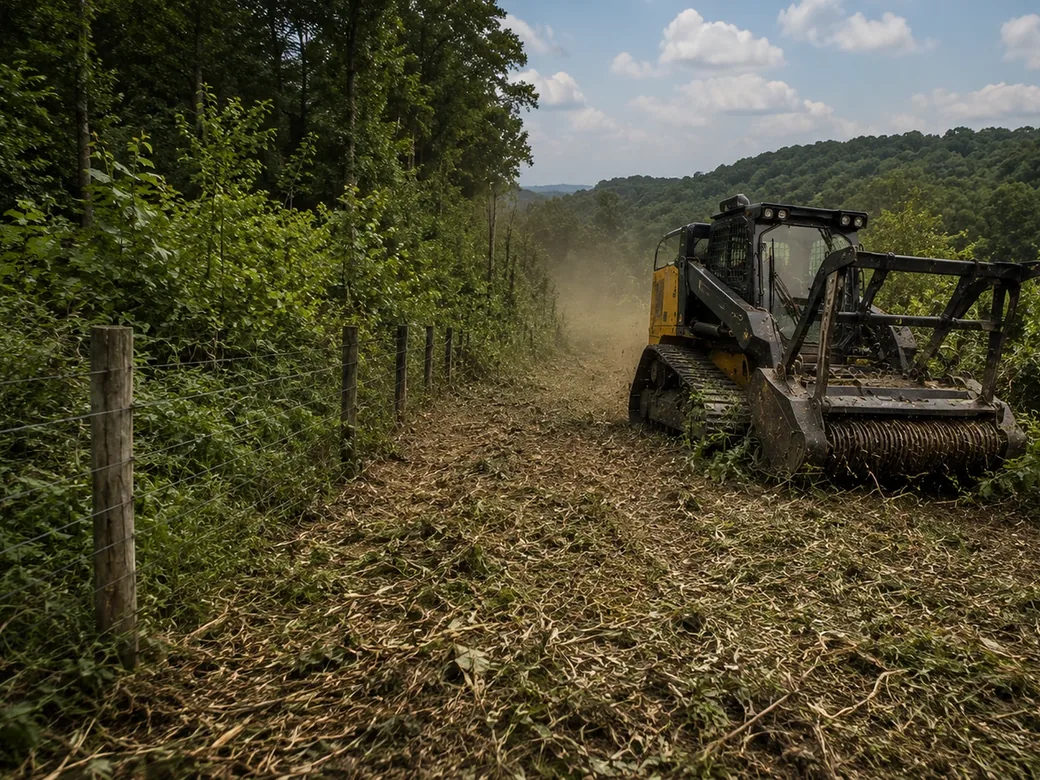
Fence Line Clearing
We clear mesquite and brush off old fence lines and cut the path for new ones. New lines get root plowed before the fence crew comes.
Learn More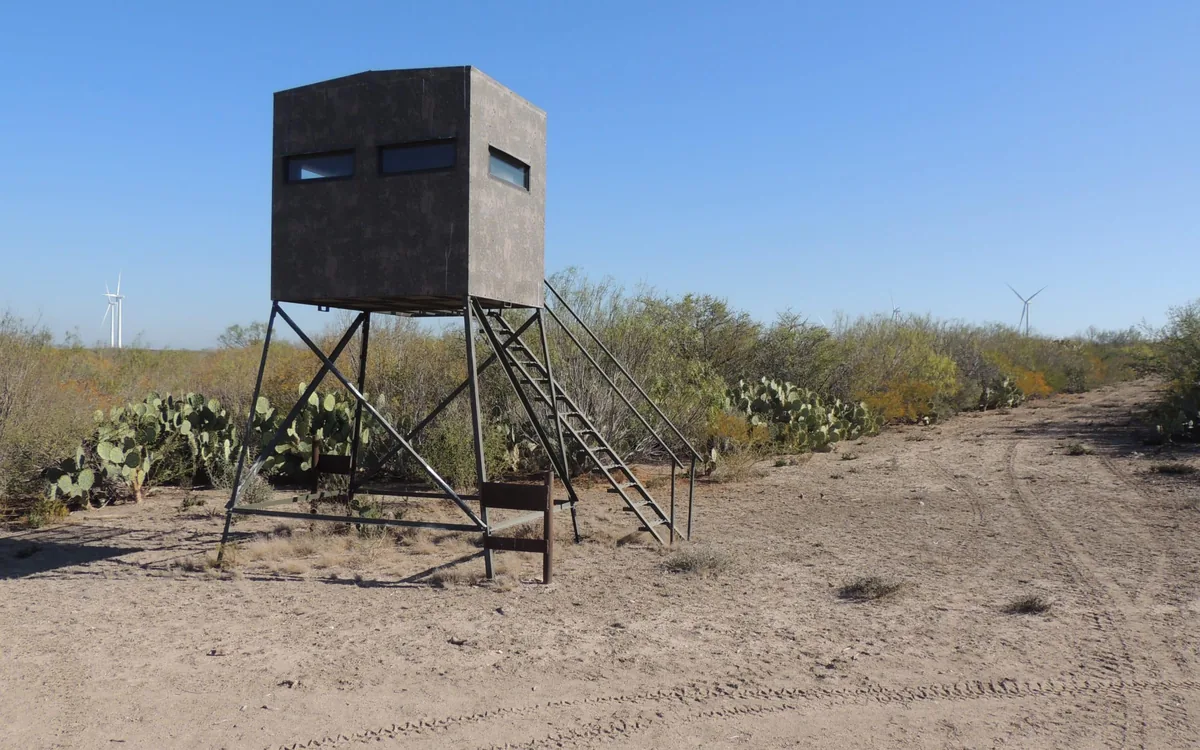
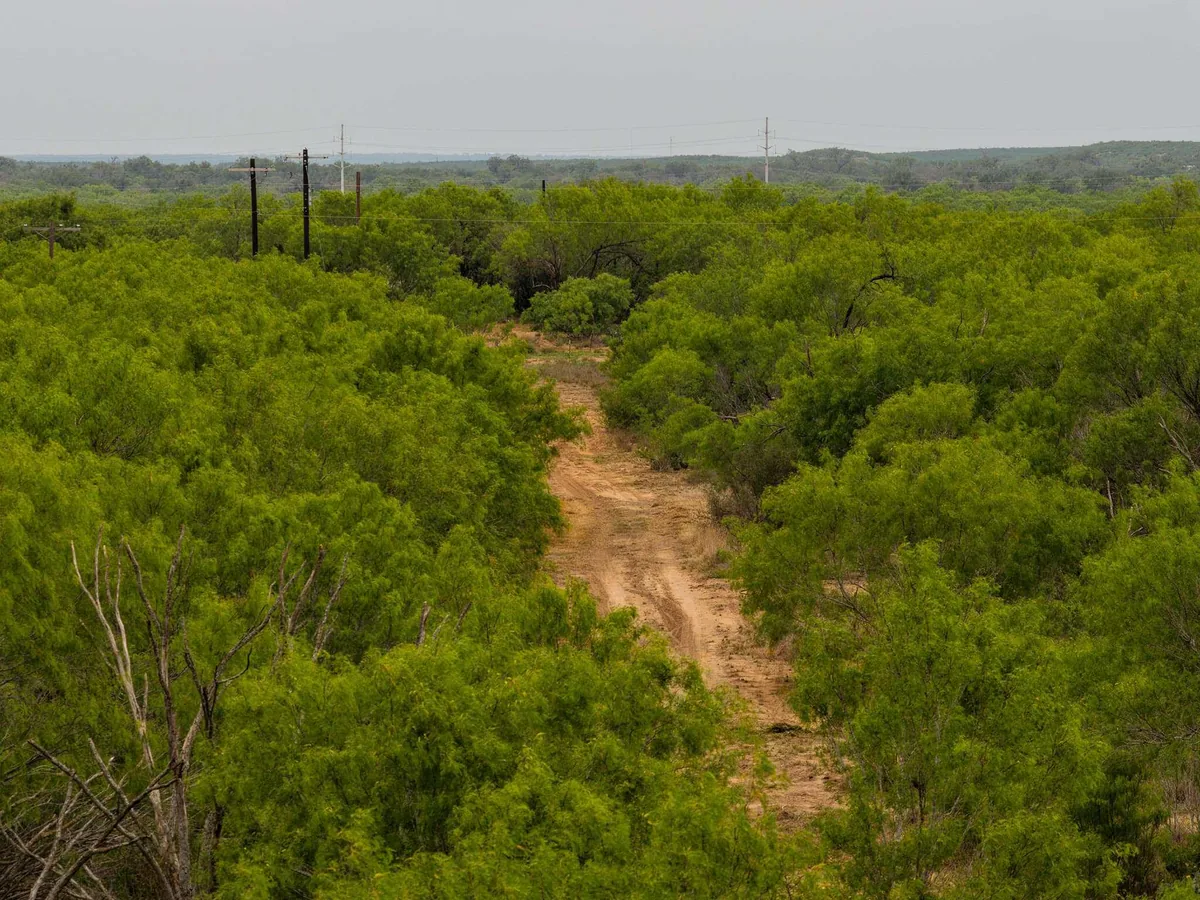
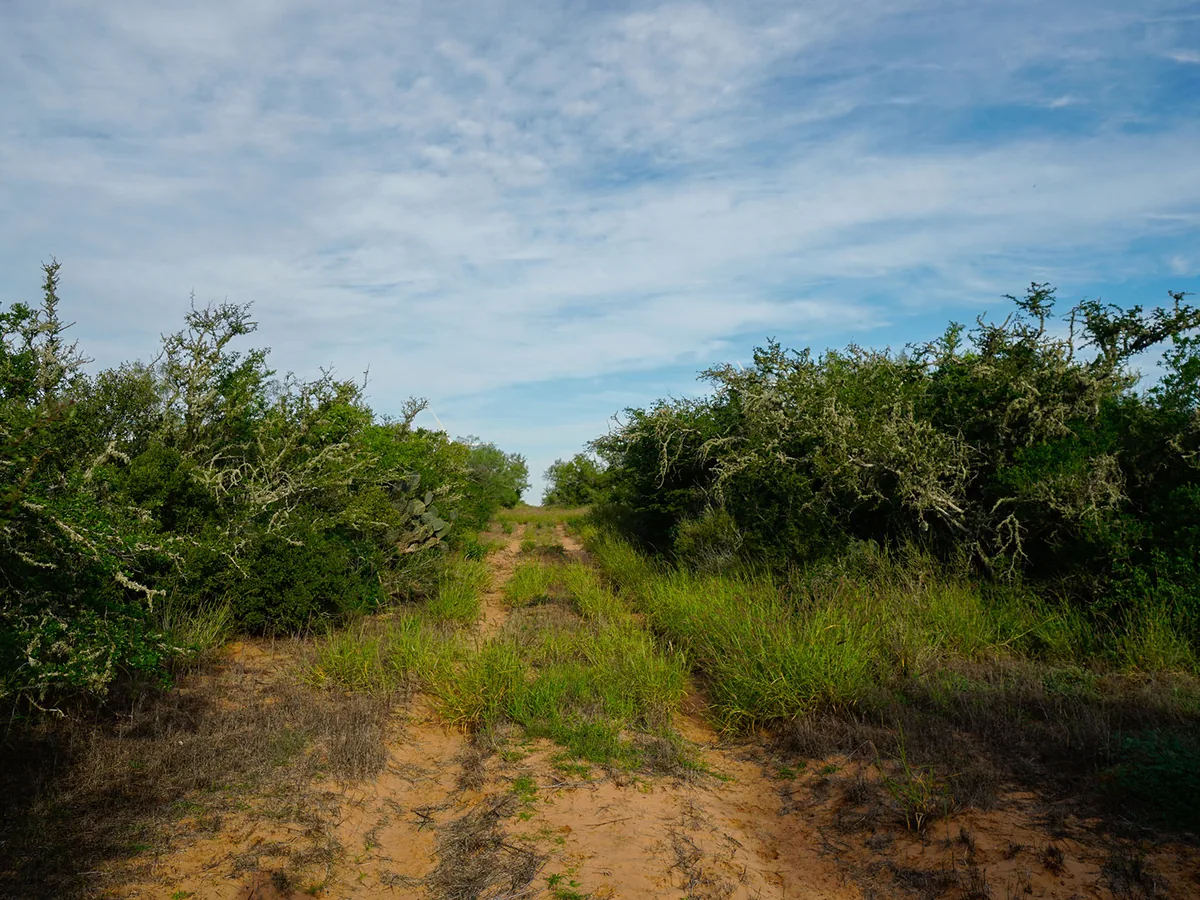
Sendero clearing opens the long, wide lanes that hunting ranches run through the South Texas brush. Iron Steer Land Services cuts new senderos and re-opens old ones the brush has taken back. The mulching head on the skid steer grinds mesquite, huisache, blackbrush and prickly pear where they stand. Where a lane has to stay open, the rippers on the back root plow it.
We clear around feeders and blinds, and the mulch stays on the ground as cover. Senderos are one part of our land clearing around Laredo. We work about 100 miles around the city, from the border up to the edge of the Hill Country. We look at the land or your photos of it, then put the quote in writing.
Tell us about the land and the work it needs. We look at the land or your photos of it, then put the quote in writing.
Sendero is Spanish for path or trail. On a South Texas ranch, it is a long, wide lane cleared through the brush, like a runway. The Texas Parks and Wildlife Department (TPWD) uses the word too. Its Chaparral Wildlife Management Area, in La Salle and Dimmit counties, has small senderos off the main road.
Hunting ranches set feeders and blinds along their senderos. A deer that steps into the lane is out in the open, where a hunter can see it. The lanes also give a ranch truck a way in to the stands.
Around Laredo, senderos run through mesquite, blackbrush, guajillo and prickly pear. Catarina clay is the most common soil in Webb County. The Natural Resources Conservation Service lists prickly pear and mesquite among the plants that spread on it. Left alone, that brush closes a lane back in.
The skid steer runs a mulching head that grinds brush and small trees into mulch where they stand. The head cuts the lane to the width you mark. This is the same forestry mulching we use on pasture and acreage.
Mulching takes mesquite down to grade, but the plant keeps a buried crown. TPWD's South Texas guidelines note that mesquite sprouts again from buds on that crown. So on a lane that has to stay open, the rippers follow the mulching head with a root plow pass.
Root plowing works below the ground, where the crown sits. TPWD notes that root plowing has worked on mature mesquite when soil moisture is right. The root plow pass stays on the lane, and the brush on each side is left as cover.
A sendero plan starts with what stays. You tell us which oaks, mottes, fences and stands to keep, and the mulching head works around them. Brush grown into a fence is its own job, and fence line clearing covers it.
TPWD's guidance for the South Texas Plains favors clearing in strips or patches fitted to the lay of the land. It asks that brush along drainages stay intact. It also says cover strips should be wide enough that you cannot see through them in winter.
The same guidance lists brush management as a habitat control practice. If your land has a wildlife management plan, our page on wildlife exemption brush management shows how this work fits. Call or text (956) 206-3992 to talk through the layout.
Call or text for a written quote. We work about 100 miles around Laredo across the South Texas brush country.
(956) 206-3992From the first call or text to the finished work, here is how it goes.
Call or text (956) 206-3992 and tell us where the land is and what it needs. Photos of the brush help.
We look at the land in person or in your photos. You show us what stays and what goes.
The quote comes to you in writing, with the work spelled out. Once you say yes, we set a date.
We trailer the skid steer to the property. The mulching head grinds the brush, and the rippers root plow any lane that has to stay open. Trench and post hole jobs get the trencher or the auger.
The mulch stays on the ground as cover, around the oaks and mottes you kept. On trench jobs, we backfill after the line is in when the quote includes it.
Common questions about sendero clearing around Laredo and the South Texas brush country. If yours is not here, call or text and ask.
We clear mesquite and brush off old fence lines and cut the path for new ones. New lines get root plowed before the fence crew comes.
Learn More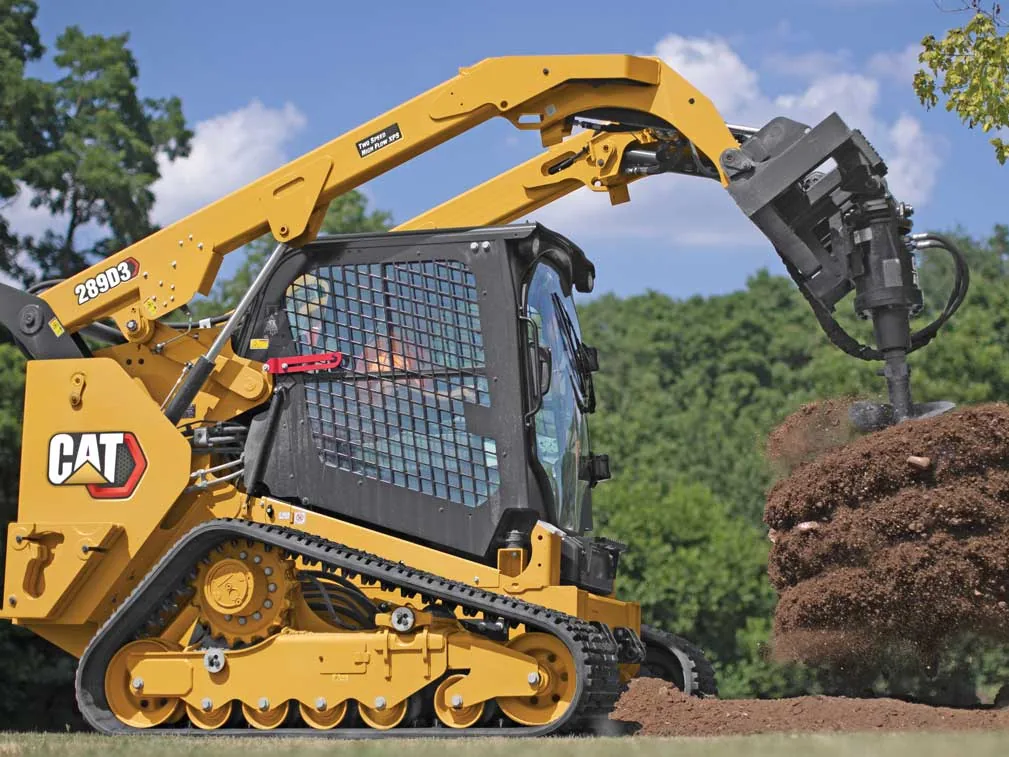
The auger on our skid steer drills fence post holes for ranch fences, game fences, pens and gates. Your fence builder gives the spacing and depth, and we drill to it.
Learn More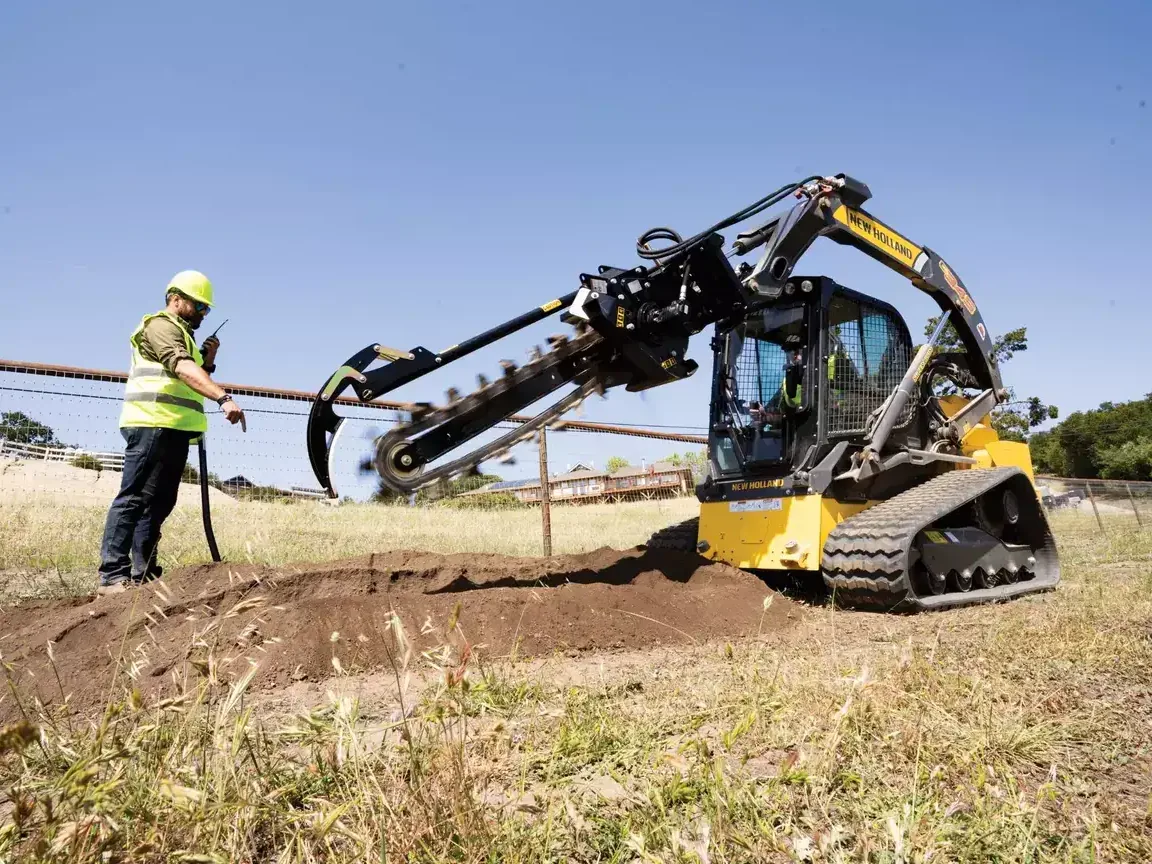
The trencher on the skid steer cuts trenches for water lines and electric runs on ranches and rural land. Your plumber or electrician marks the route and the depth, and we cut to match.
Learn MoreThe skid steer runs a forestry mulching head, a trencher, an auger and rippers. The brush work and the dig work after it can come from one company.
The brush we clear stays on the land as a layer of mulch over the soil. Where regrowth has to stop, the rippers root plow the lane.
We look at the land first, or at the photos you text us. Then the quote comes to you in writing, with the work spelled out.
Laredo sits at the center of our service area. We work about 100 miles around it, from the border up to the edge of the Hill Country.
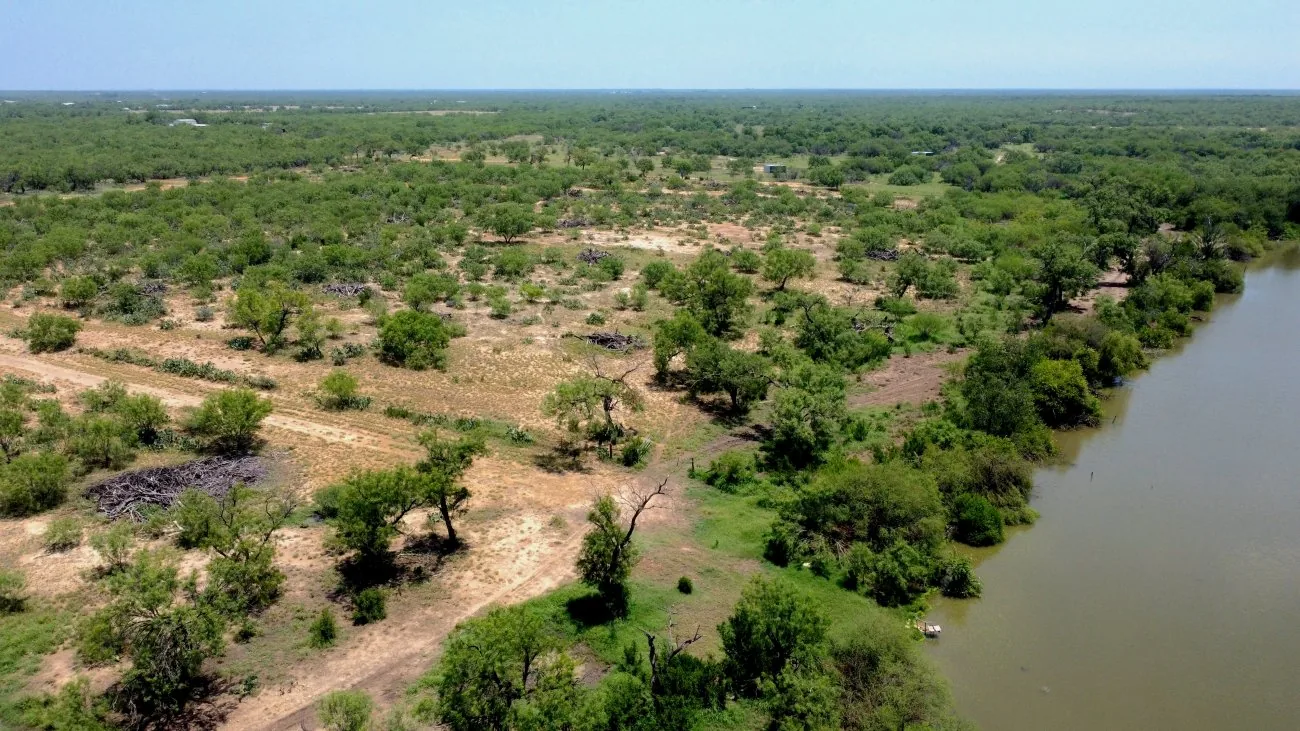
Sendero clearing on South Texas ranches: what a sendero is, the brush layouts TPWD gives for deer, root plowing, yearly mulching and when to do it.
Read more →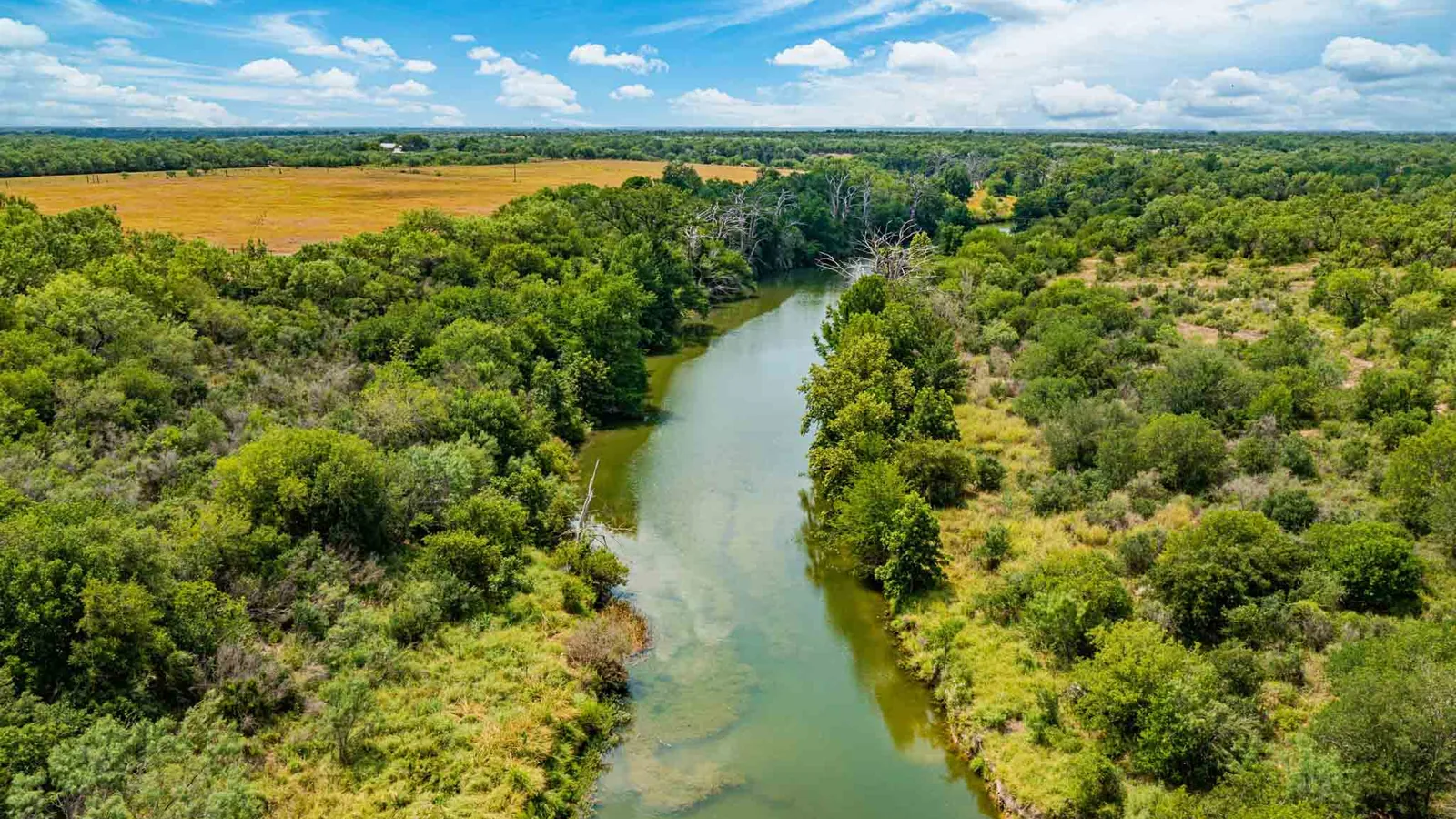
What forestry mulching costs per acre in Texas from national cost guides and the state extension survey, what moves the price, and the written quote.
Read more →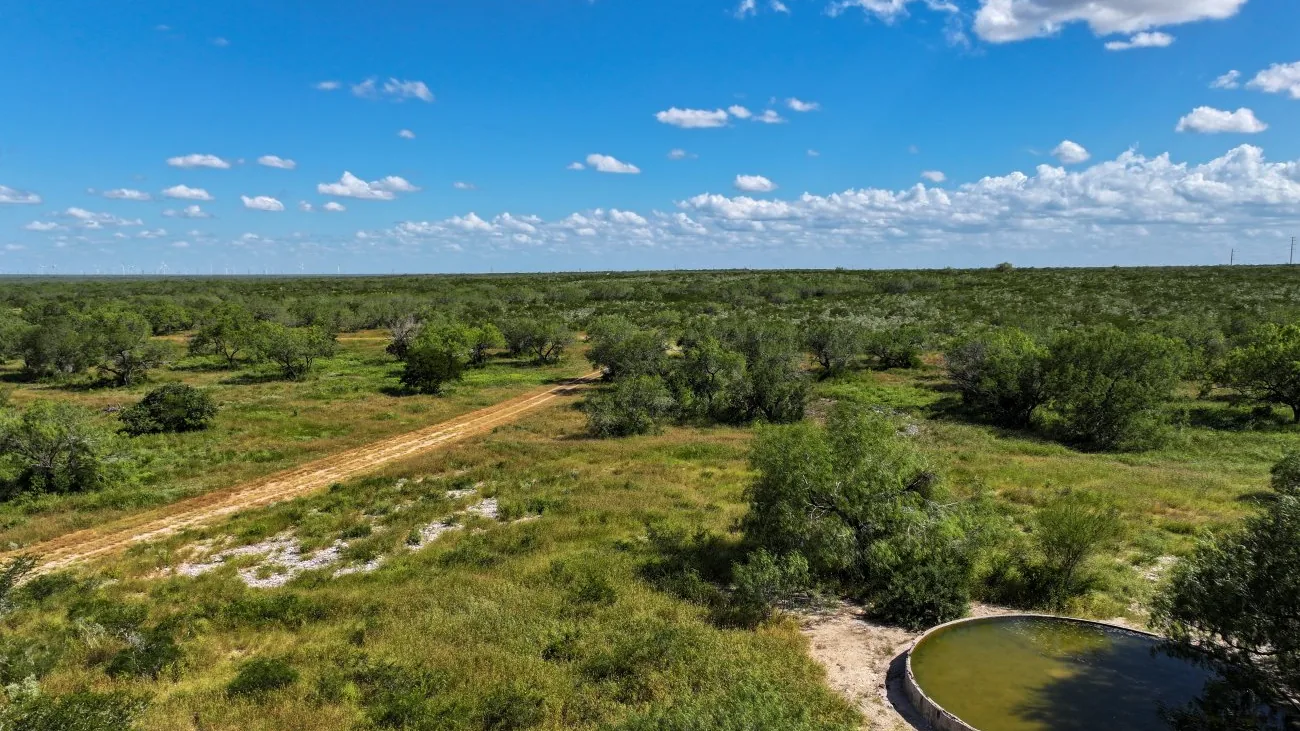
Mesquite sprouts back from a buried bud zone. Learn how mulching, root plowing, grubbing and fire compare, and when to mulch or root plow in South Texas.
Read more →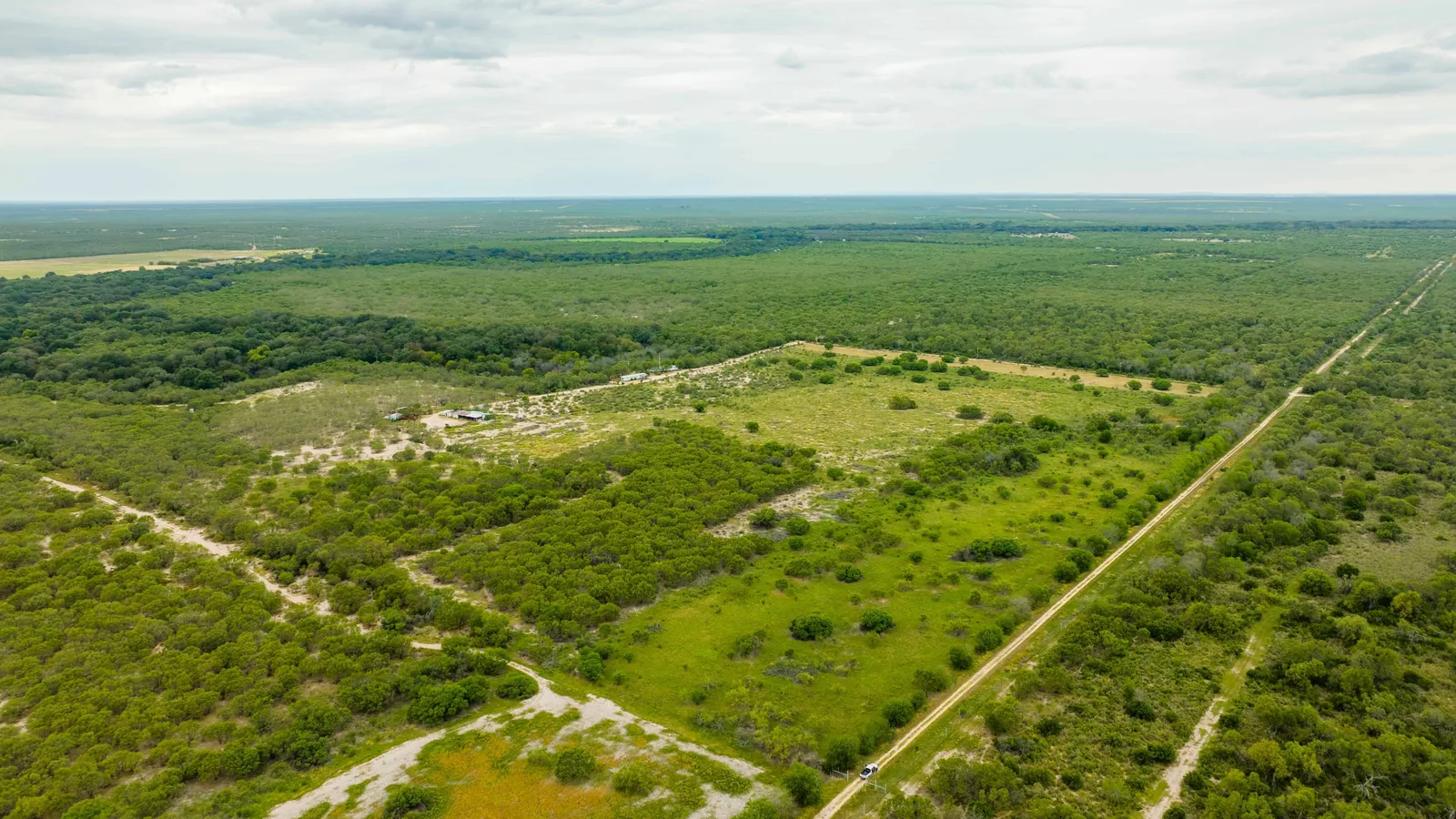
The Texas wildlife exemption in plain words: the 1-d-1 rules, the seven practices, what the appraisal district wants and where brush management fits.
Read more →Tell us where the property is and the work it needs, and send photos if you have them. Call or text (956) 206-3992 or use the form, and we will get back to you.
Tell us about the land and the work it needs. We look at the land or your photos of it, then put the quote in writing.