Forestry Mulching
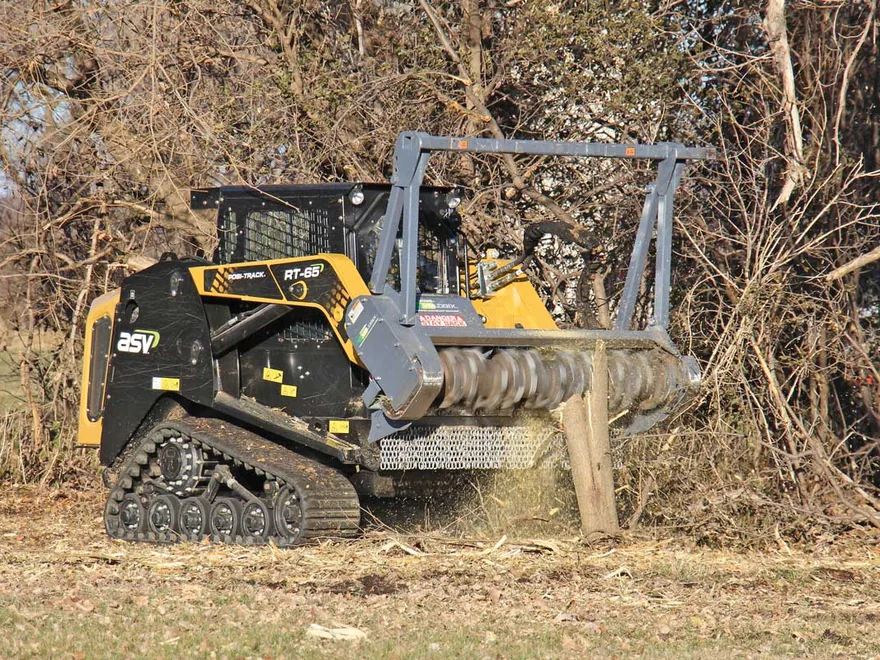
The mulching head on our skid steer grinds brush and small trees into mulch that stays on the ground. The oaks and mottes you mark stay standing.
Learn More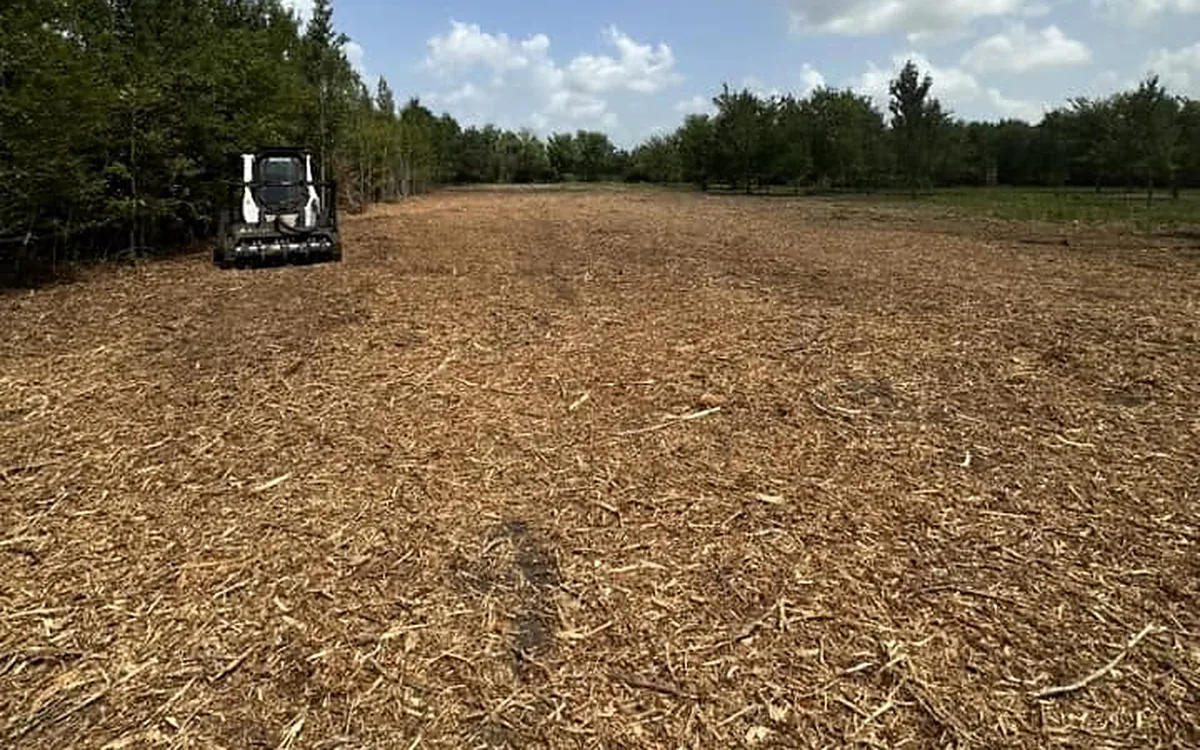
Wildlife exemption brush management is the machine work behind a Texas wildlife management valuation. Iron Steer Land Services does it with the mulching head and the rippers on our skid steer. Your wildlife management plan says which brush goes and which cover stays. We clear to the acres and the pattern it lists.
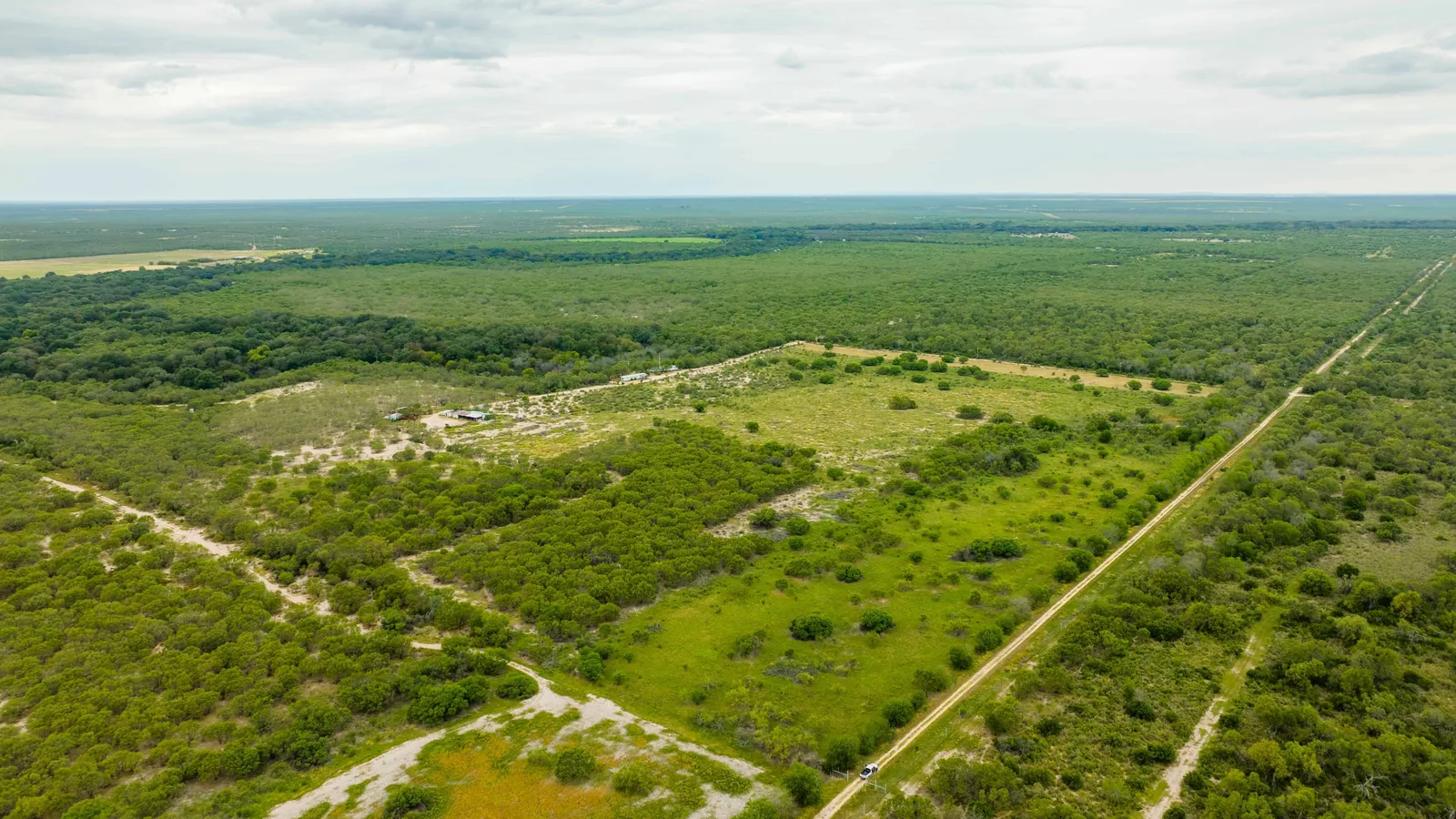
Landowners call it the wildlife exemption. Texas treats it as a 1-d-1 open-space ag appraisal for land in wildlife management use. We work about 100 miles around Laredo, from the border up to the edge of the Hill Country. Clearing with no wildlife plan behind it falls under land clearing in Laredo.
Tell us about the land and the work it needs. We look at the land or your photos of it, then put the quote in writing.
Texas law lists seven wildlife management practices. The Texas Comptroller names them as habitat control, erosion control, predator control, supplemental water, supplemental food, shelters and census counts. The Comptroller's guidelines say the land must be used for at least three of the seven. Brush management falls under habitat control.
The wildlife use starts from an ag appraisal. The Texas Parks and Wildlife Department (TPWD) says only land already appraised as agricultural or timber land may convert. You file the plan on the TPWD form with your county appraisal district. For land in Webb County, that office sits in Laredo.
The appraisal district decides whether the land qualifies, and TPWD says it has no role in that call. The district may also ask for a yearly report on the TPWD form. Tax questions belong with the district or a tax professional.
The Comptroller's guidelines describe brush management as removing or suppressing target woody plants. The aim is more of the trees, shrubs, grasses and forbs that feed and shelter wildlife. It also means keeping enough woody cover, in the right places, for the animals on the plan.
TPWD's planning guidelines for the South Texas Plains get specific. Any clearing should leave clumps or strips of brush too wide to see through in winter. Cover strips should run as unbroken as possible, so wildlife have travel lanes. A small ranch needs more cover, by percentage, than a big one.
We clear to that pattern on a plan. You mark the mottes, the oaks, the fence and the stands that stay. The mulching head grinds the rest into mulch that stays on the ground. Senderos and edges go where the plan draws them, and our sendero clearing page covers that work.
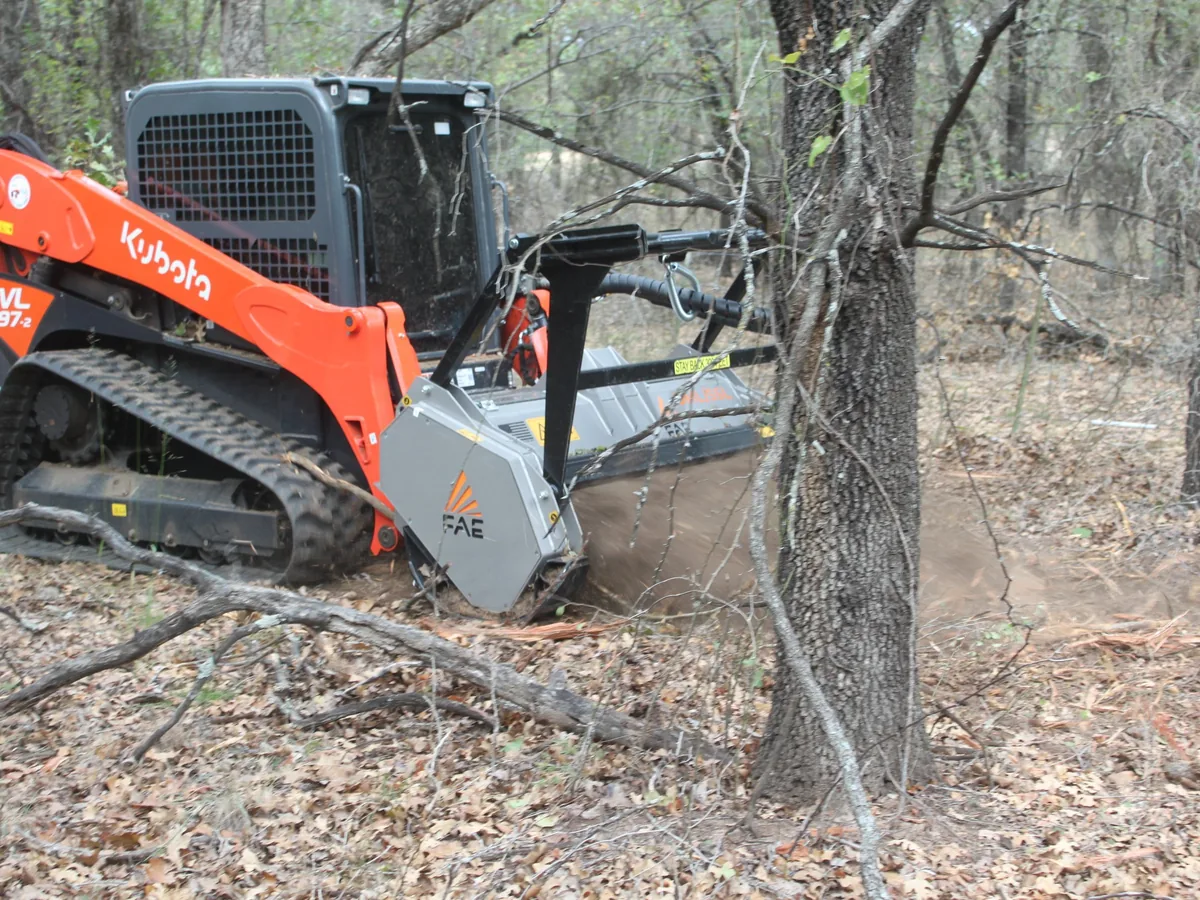
TPWD's South Texas guidelines explain that mesquite sprouts from buds on a buried crown. Work that only takes off top growth can lead to more sprouting. Root plowing is one method those guidelines list for mature mesquite, under the right soil moisture. Our rippers root plow the lanes and openings your plan says must stay open.
The Natural Resources Conservation Service (NRCS) writes its own spec for brush management, code 314. Where wildlife is a primary concern, the Texas spec plans the work around that wildlife's habitat needs. It allows root plowing only where a stand of grass can readily be established. It also schedules follow-up work when mesquite and huisache resprouts reach about 3 to 4 feet.
Through the Environmental Quality Incentives Program (EQIP), NRCS gives eligible producers technical and financial help with conservation practices. Wildlife habitat is one of the concerns the program names. If your EQIP contract lists brush management, we do the work to the acres and pattern it sets. The method is forestry mulching, plus root plowing where the contract calls for it.
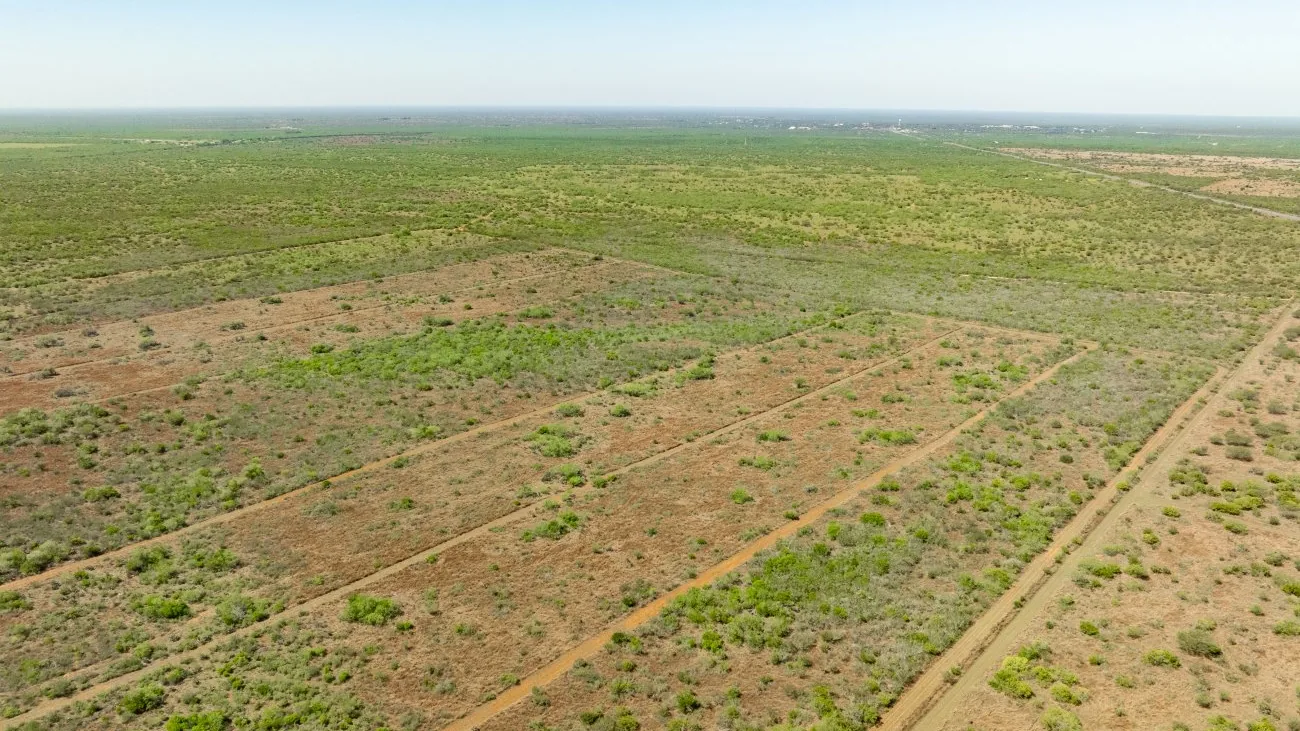
Call or text for a written quote. We work about 100 miles around Laredo across the South Texas brush country.
(956) 206-3992From the first call or text to the finished work, here is how it goes.
Call or text (956) 206-3992 and tell us where the land is and what it needs. Photos of the brush help.
We look at the land in person or in your photos. You show us what stays and what goes.
The quote comes to you in writing, with the work spelled out. Once you say yes, we set a date.
We trailer the skid steer to the property. The mulching head grinds the brush, and the rippers root plow any lane that has to stay open. Trench and post hole jobs get the trencher or the auger.
The mulch stays on the ground as cover, around the oaks and mottes you kept. On trench jobs, we backfill after the line is in when the quote includes it.
Common questions about wildlife exemption around Laredo and the South Texas brush country. If yours is not here, call or text and ask.
The mulching head on our skid steer grinds brush and small trees into mulch that stays on the ground. The oaks and mottes you mark stay standing.
Learn More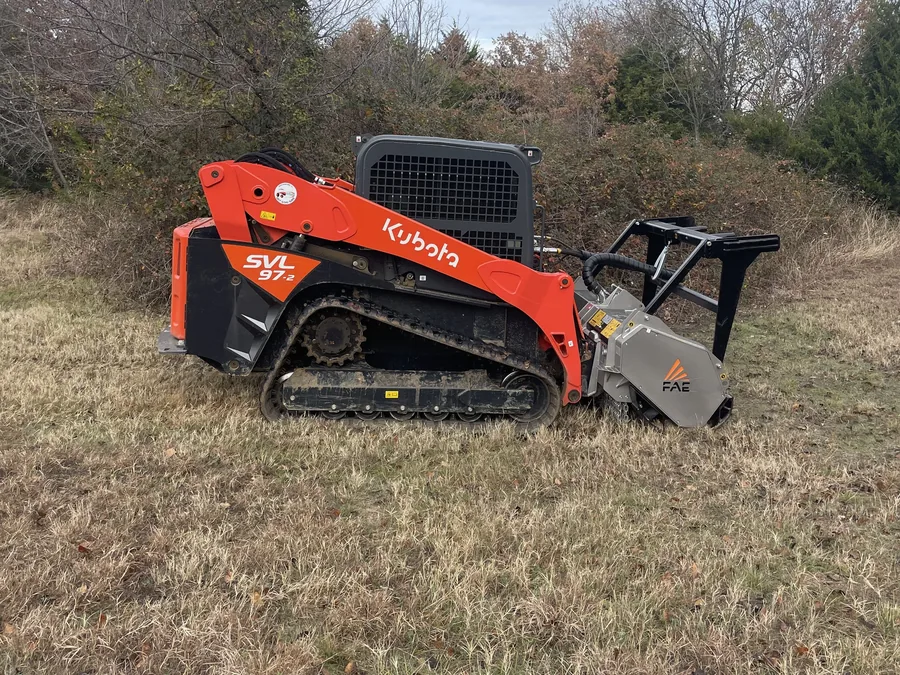
We clear mesquite, huisache, blackbrush and prickly pear from overgrown pasture and lots. The mulching head grinds the brush where it stands, and the rippers root plow what must stay open.
Learn More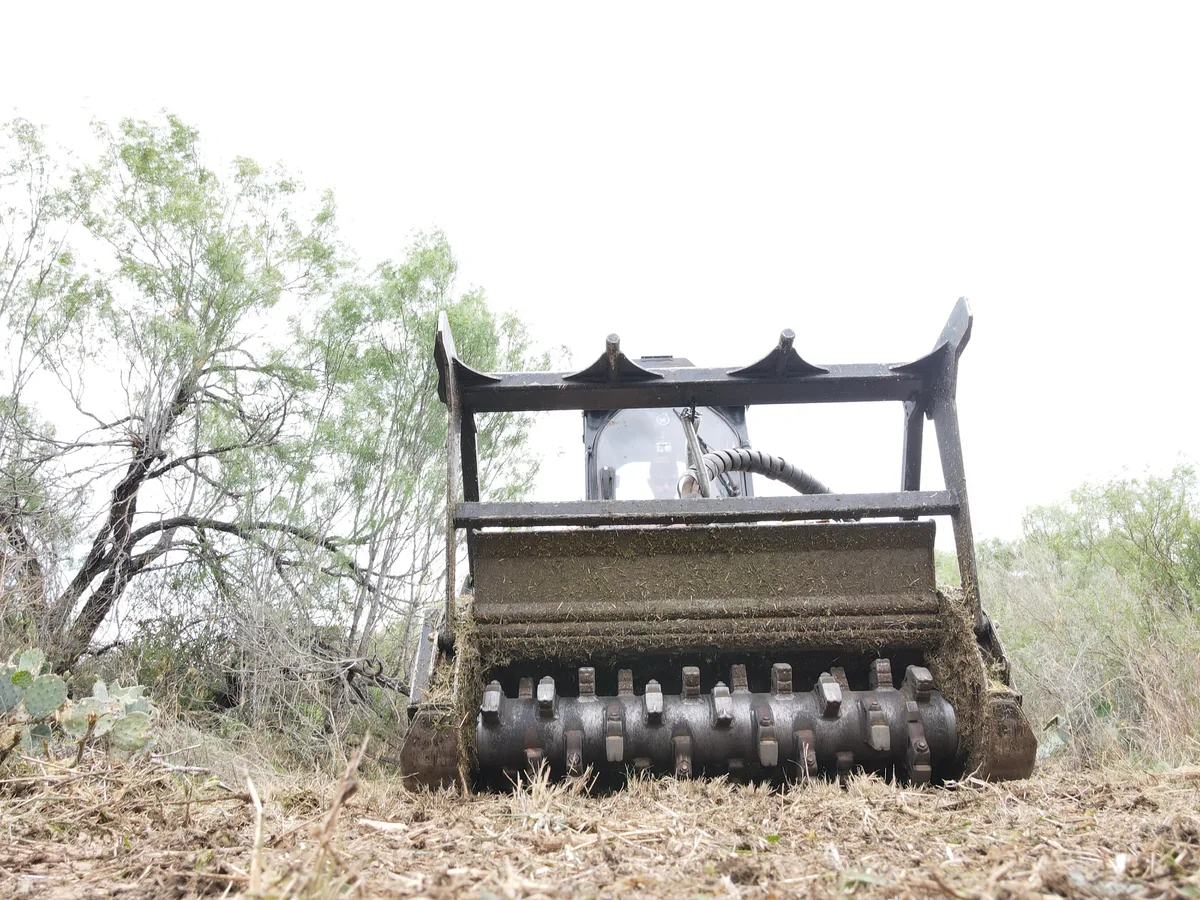
We cut new senderos and re-open old ones on hunting ranches around Laredo. The mulching head clears the lane, and the rippers root plow it where it needs to stay open.
Learn MoreThe skid steer runs a forestry mulching head, a trencher, an auger and rippers. The brush work and the dig work after it can come from one company.
The brush we clear stays on the land as a layer of mulch over the soil. Where regrowth has to stop, the rippers root plow the lane.
We look at the land first, or at the photos you text us. Then the quote comes to you in writing, with the work spelled out.
Laredo sits at the center of our service area. We work about 100 miles around it, from the border up to the edge of the Hill Country.
Tell us where the property is and the work it needs, and send photos if you have them. Call or text (956) 206-3992 or use the form, and we will get back to you.
Tell us about the land and the work it needs. We look at the land or your photos of it, then put the quote in writing.