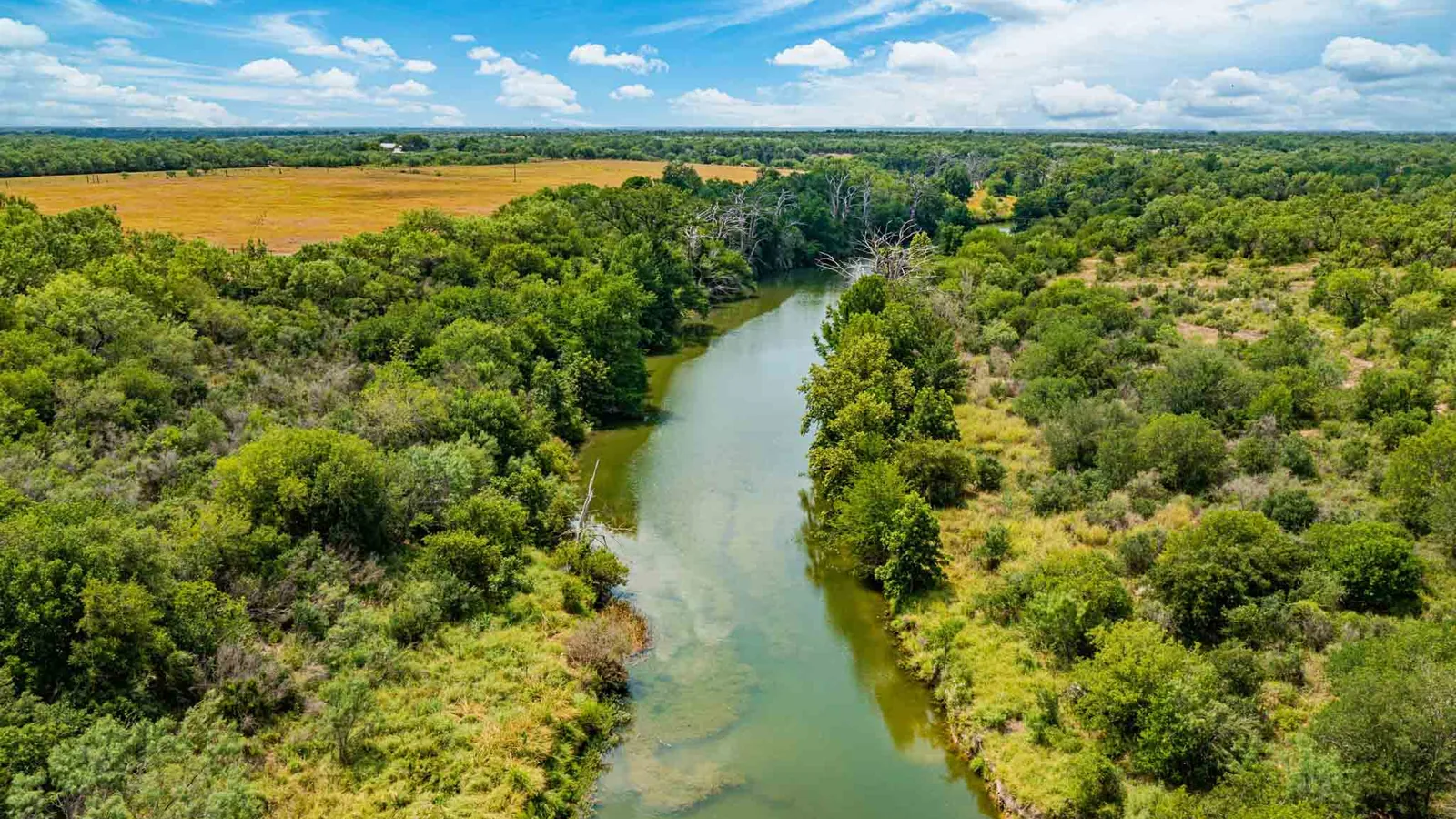
We clear brush and small trees with a forestry mulching head on a skid steer. That covers pasture, senderos, fence lines, pipeline rights of way and lot clearing for a homesite. With the auger or the trencher on, the same machine drills post holes and cuts trenches. We also do the brush work behind a wildlife management valuation.
What stays on the land after you clear it?
You tell us what stays, like the oaks, the mottes, the fence and the deer stand. The mulching head grinds the rest of the brush into mulch where it stands. That mulch stays spread on the ground as cover. The state's outdoor burning guide lists mulching as a practical alternative to burning brush.
Will the mesquite grow back after clearing?
It can. Mesquite sprouts back from a bud zone below the ground, so a cut at the surface leaves the root alive. Where a lane or flat must stay open, the rippers root plow it and cut the roots below that zone. Shallow-rooted whitebrush and prickly pear can still come back, so ask us about follow-up brush clearing.
Do you take out big trees and stumps?
Small ones, yes. The mulching head takes small trees and their stumps down to grade, and the roots stay unless we root plow. For big timber or grading, call an excavation contractor with a dozer. A tree service handles trees that hang over a house or a power line.
Do you dig post holes and trenches?
Yes: the auger drills post holes, and the trencher cuts trenches for water and electric lines. Your fence crew builds the fence, and a licensed plumber or electrician lays and connects the line. Texas law calls for an 811 notice two business days before any dig 16 inches deep or deeper. The utilities mark their own lines, so show us any private water or power lines on your place.
Do I need a permit to clear land around Laredo?
It depends on where the land sits. Inside Laredo city limits, the City of Laredo Engineering Department posts a land clearing notice application. Check with the city before clearing a lot. In rural Webb County, trenching or excavation near a creek or draw starts with the county's floodplain determination.
Can you do the brush work for a wildlife exemption?
Yes: our brush management for a wildlife exemption follows the acres and the pattern your plan sets. Texas law lists seven wildlife management practices, habitat control first, and a landowner must carry out at least three. The plan goes to the county appraisal district, which answers the tax questions. Texas Parks and Wildlife publishes planning guidelines for the South Texas Plains.
What area do you work in?
We work about 100 miles around Laredo, from the border up to the edge of the Hill Country. That takes in Zapata, Hebbronville, Cotulla, Carrizo Springs, Crystal City and Pearsall. It reaches Eagle Pass, Uvalde, Alice and Rio Grande City too, and the ranch country between them.
How does pricing work?
We price each job after we see the land, in person or in the photos you text us. The acres and how thick the brush is drive the price, along with what has to stay. Access for the trailer and the drive to the property count too. Call or text (956) 206-3992, and the quote comes to you in writing.
Request a Quote
Get In Touch With Iron Steer
Tell us where the property is and the work it needs, and send photos if you have them. Call or text (956) 206-3992 or use the form, and we will get back to you.