
Wildlife Exemption
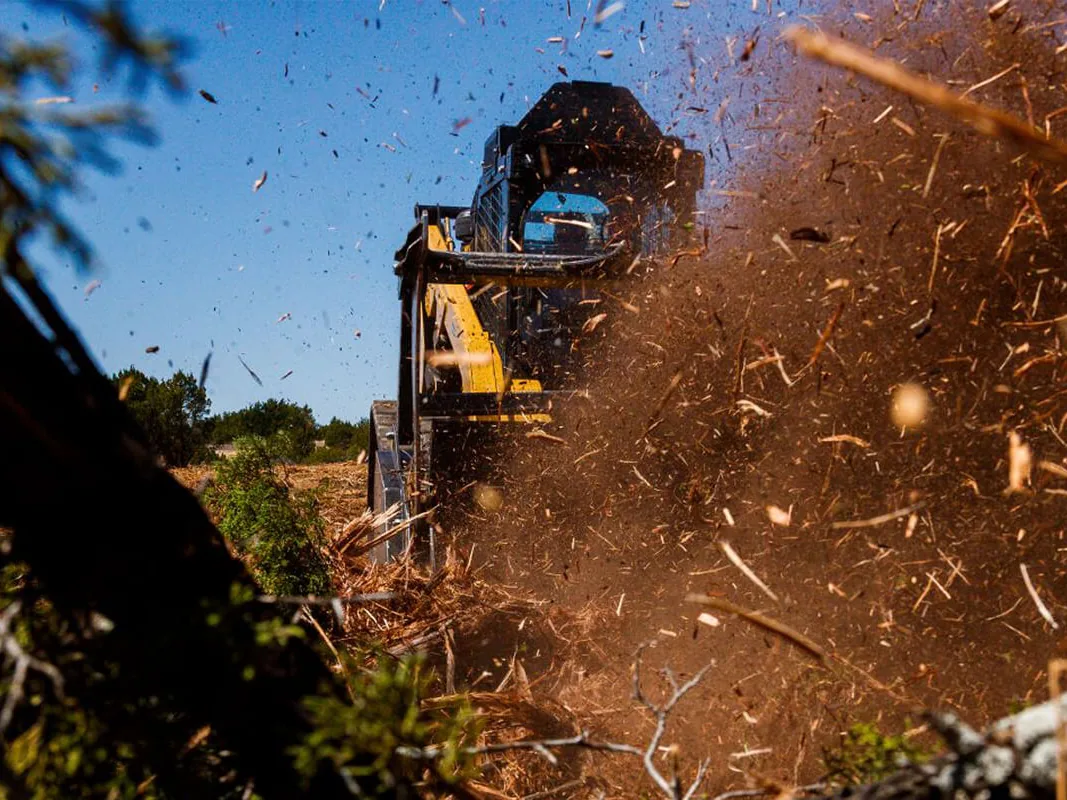
The mulching head and rippers on our skid steer do the brush work a Texas wildlife management plan calls for. You write the plan, alone or with a biologist, and we clear to the acres and pattern it lists.
Learn More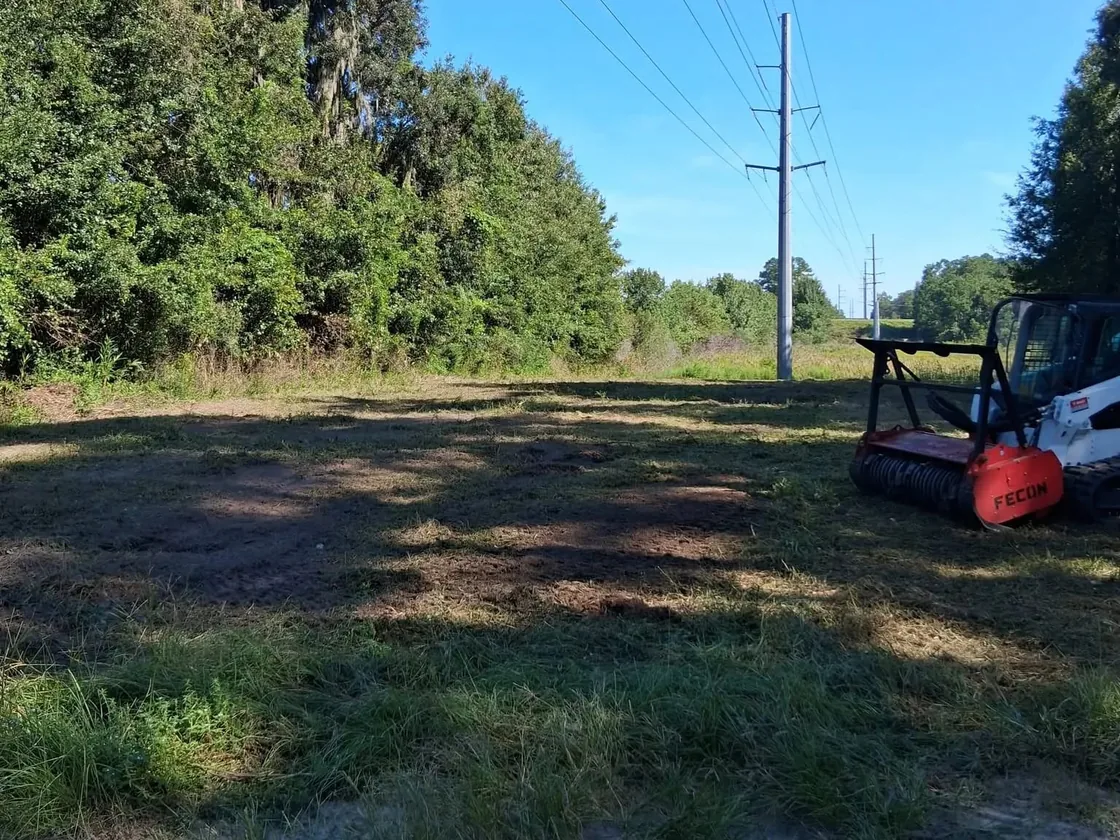
Right of way clearing takes the brush off a pipeline or power line easement and keeps it open. Iron Steer Land Services does that work with a skid steer and a mulching head. The head grinds mesquite and huisache into mulch that stays on the ground. It is the same forestry mulching we do on ranches, run down a long, narrow strip.
We work for oil and gas operators who need an extra machine on a line or a pad. Landowners with a ranch easement to open get the same work. This work runs alongside our land clearing in Laredo, on the same skid steer. We cover about 100 miles around Laredo, from the border up to the edge of the Hill Country.
Tell us about the land and the work it needs. We look at the land or your photos of it, then put the quote in writing.
Where a pipeline crosses private land, it runs on an easement the pipeline company gets from the landowner. The strip over the line is the right of way. Federal safety rules call for regular patrols of many rights of way, from the ground or the air. Thick brush hides the ground those patrols are there to watch.
Pipeline right of way clearing takes that brush back down, to the width the pipeline company sets. It also sets the rules for work over its line. The mulching head grinds mesquite and blackbrush down to grade, and the mulch stays in place. The Texas Commission on Environmental Quality lists mulching among the practical alternatives to outdoor burning.
Mesquite grows back after mulching, so an easement needs a return pass to stay open. Thin regrowth is lighter work than a line that has closed back in.
The Eagle Ford Shale runs about 400 miles across Texas from the Mexican border, the Railroad Commission of Texas says. Webb County is on its list of Eagle Ford counties, along with Dimmit and La Salle to the north. The commission says Texas has the largest pipeline network in the nation, about one sixth of the country's pipeline miles.
Large multi-machine contracts usually go to big clearing companies. A smaller operator may need only an extra machine for a short line or a cleanup pass. A big crew with more line than machines can use one too. That gap is where our right of way clearing fits.
Around a pad or a tank battery, the mulching head cuts the brush back from the edges. You set the line we clear to, and the mulch stays on the ground. Our service area takes in Eagle Ford country around Carrizo Springs and Cotulla.
The same work opens an electric line easement that brush has closed. The mulching head clears the brush on the ground under and beside the line. Trees and limbs near the wires are a job for the utility and its tree crews.
A ranch easement may be an access lane to a back gate or a strip along a property line. Mesquite and huisache grow over both. We open it to the width the easement calls for, much like our fence line clearing.
The landowner marks what stays, such as a motte or a deer stand. Where the landowner wants the regrowth stopped, the rippers root plow the cleared strip.
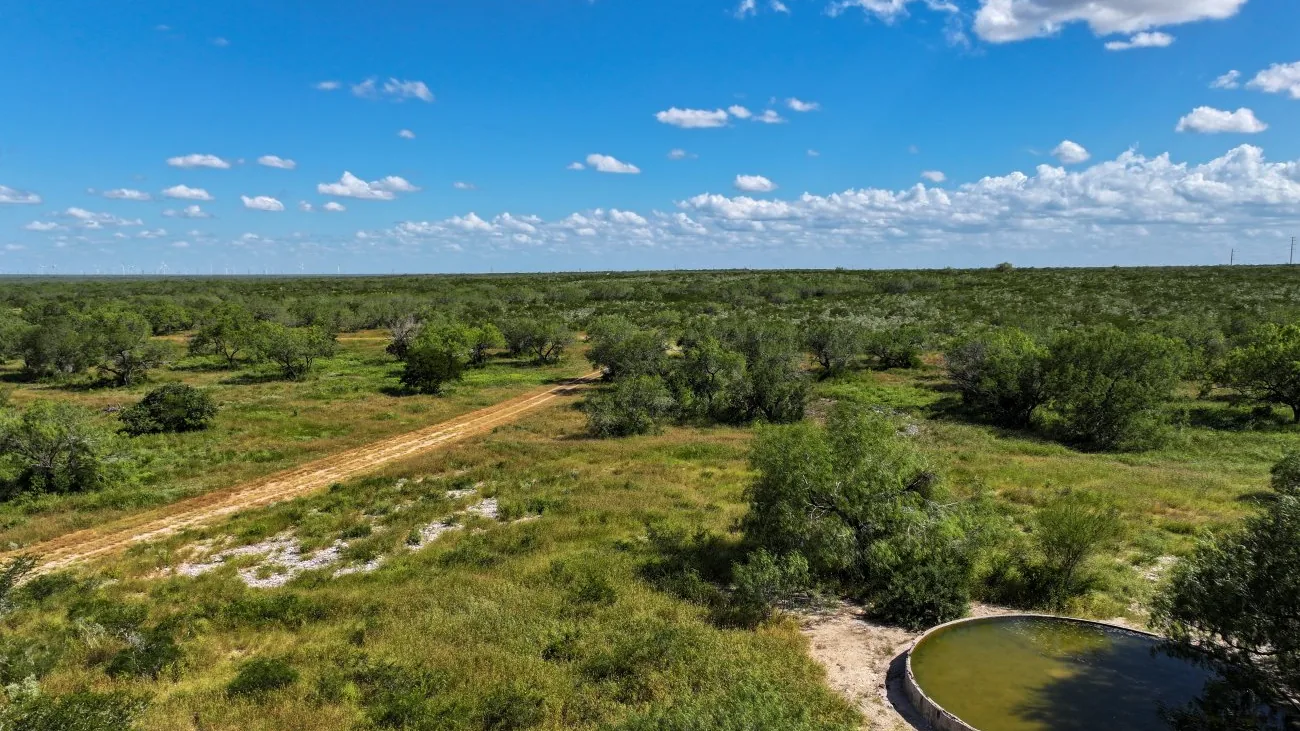
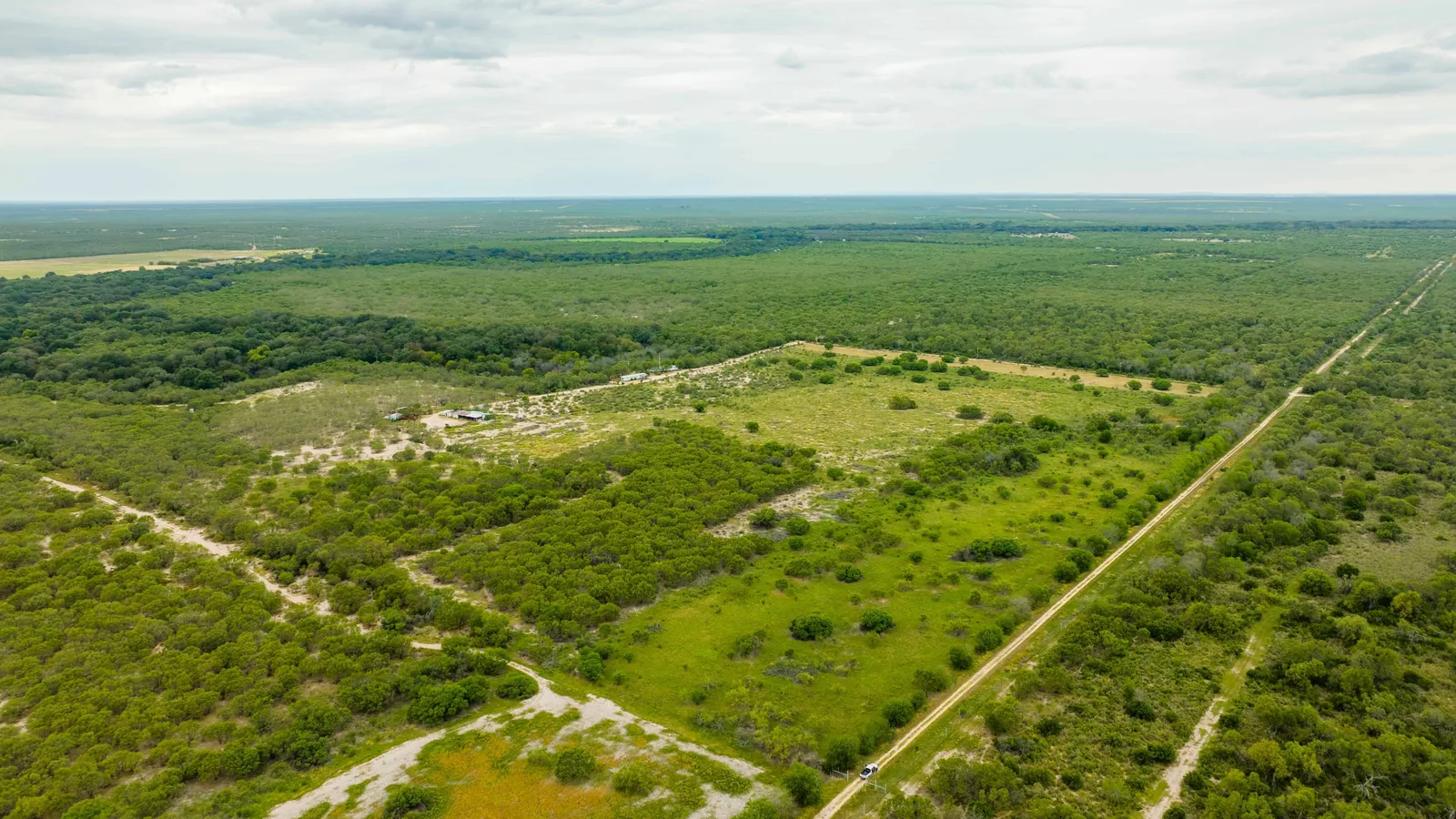
Call or text for a written quote. We work about 100 miles around Laredo across the South Texas brush country.
(956) 206-3992From the first call or text to the finished work, here is how it goes.
Call or text (956) 206-3992 and tell us where the land is and what it needs. Photos of the brush help.
We look at the land in person or in your photos. You show us what stays and what goes.
The quote comes to you in writing, with the work spelled out. Once you say yes, we set a date.
We trailer the skid steer to the property. The mulching head grinds the brush, and the rippers root plow any lane that has to stay open. Trench and post hole jobs get the trencher or the auger.
The mulch stays on the ground as cover, around the oaks and mottes you kept. On trench jobs, we backfill after the line is in when the quote includes it.
Common questions about right of way clearing around Laredo and the South Texas brush country. If yours is not here, call or text and ask.
The mulching head and rippers on our skid steer do the brush work a Texas wildlife management plan calls for. You write the plan, alone or with a biologist, and we clear to the acres and pattern it lists.
Learn More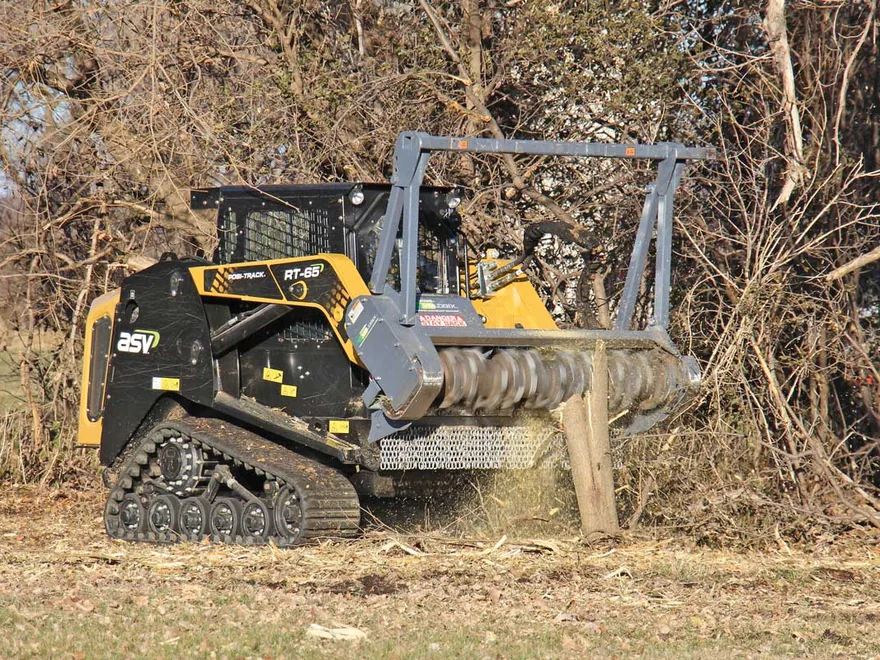
The mulching head on our skid steer grinds brush and small trees into mulch that stays on the ground. The oaks and mottes you mark stay standing.
Learn More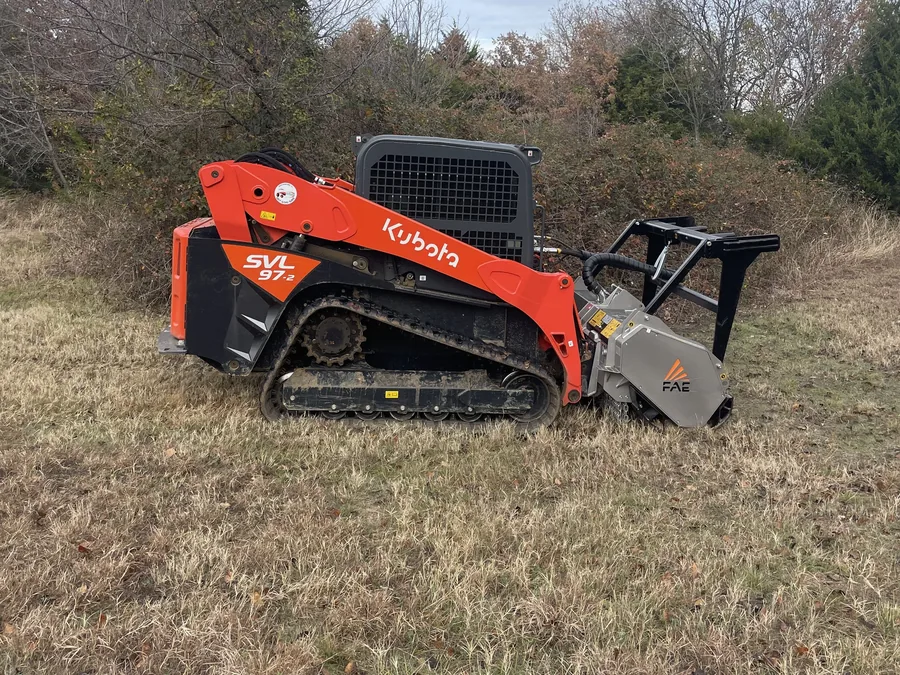
We clear mesquite, huisache, blackbrush and prickly pear from overgrown pasture and lots. The mulching head grinds the brush where it stands, and the rippers root plow what must stay open.
Learn MoreThe skid steer runs a forestry mulching head, a trencher, an auger and rippers. The brush work and the dig work after it can come from one company.
The brush we clear stays on the land as a layer of mulch over the soil. Where regrowth has to stop, the rippers root plow the lane.
We look at the land first, or at the photos you text us. Then the quote comes to you in writing, with the work spelled out.
Laredo sits at the center of our service area. We work about 100 miles around it, from the border up to the edge of the Hill Country.
Tell us where the property is and the work it needs, and send photos if you have them. Call or text (956) 206-3992 or use the form, and we will get back to you.
Tell us about the land and the work it needs. We look at the land or your photos of it, then put the quote in writing.