
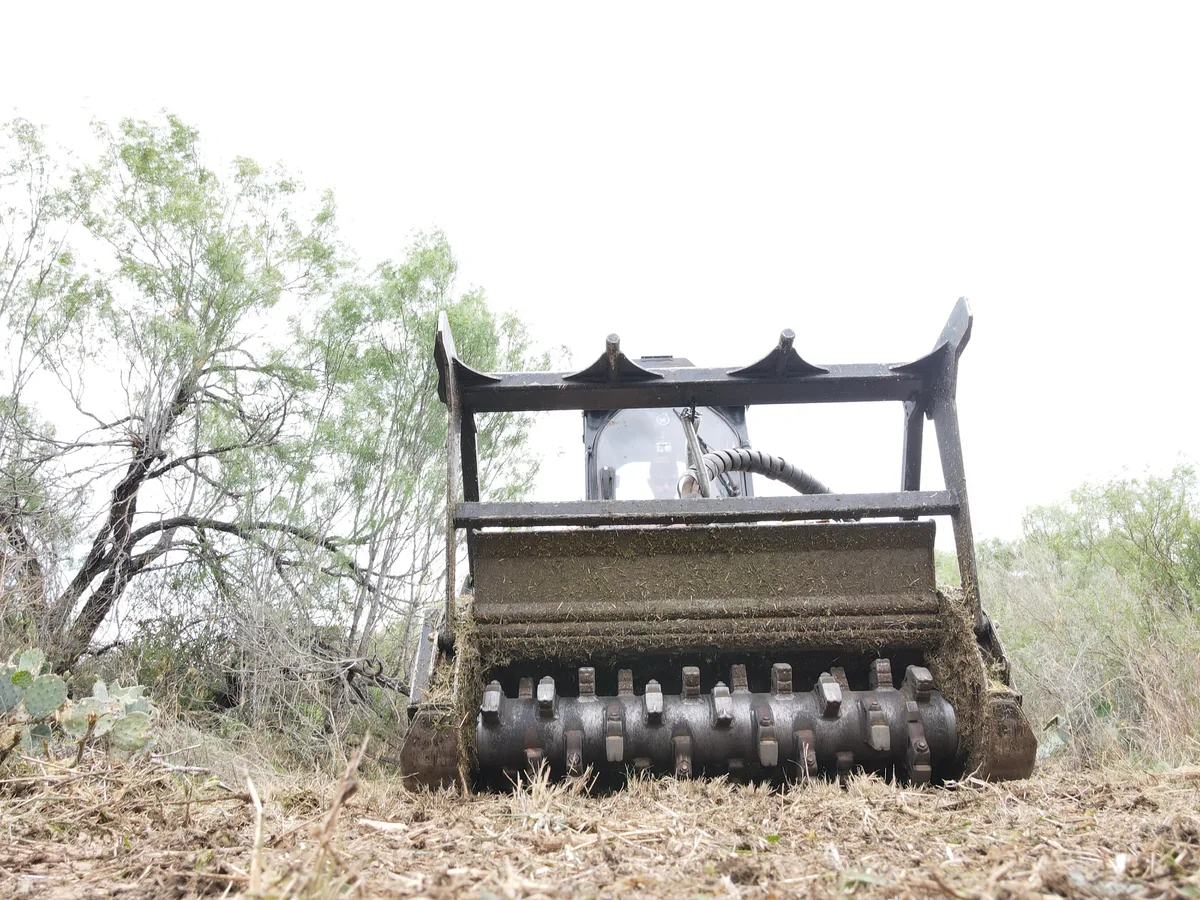
Sendero Clearing
We cut new senderos and re-open old ones on hunting ranches around Laredo. The mulching head clears the lane, and the rippers root plow it where it needs to stay open.
Learn More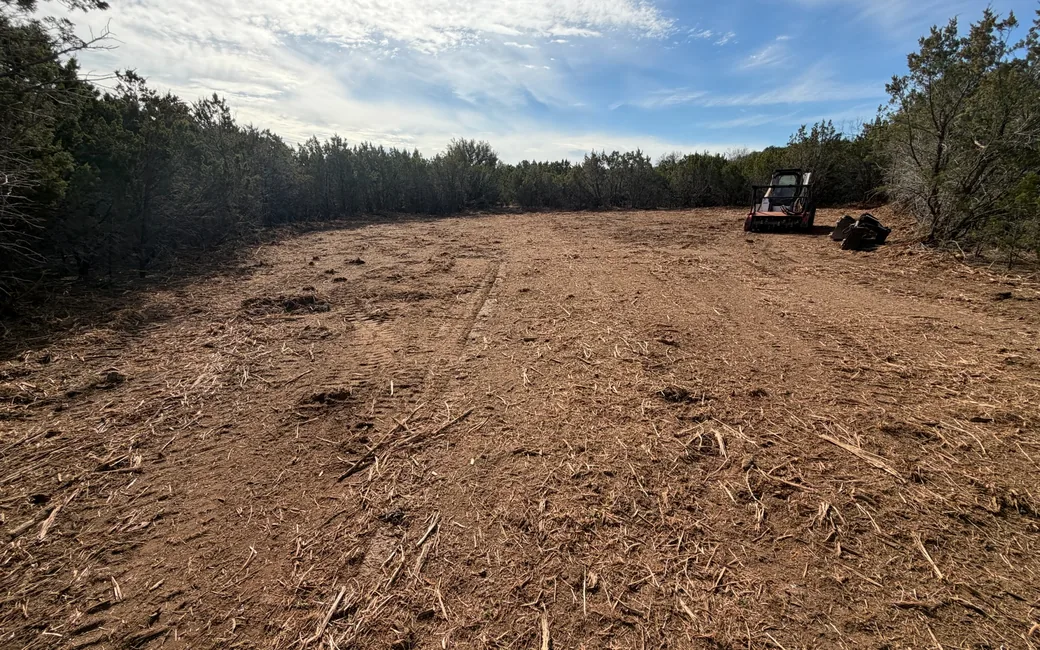
Brush clearing brings overgrown pasture and lots back to usable land. Around Laredo, mesquite takes over a field, and prickly pear and tasajillo fill the gaps. Iron Steer Land Services clears that brush on ranches and small acreage. It is the brush side of our land clearing in Laredo and the country around it.
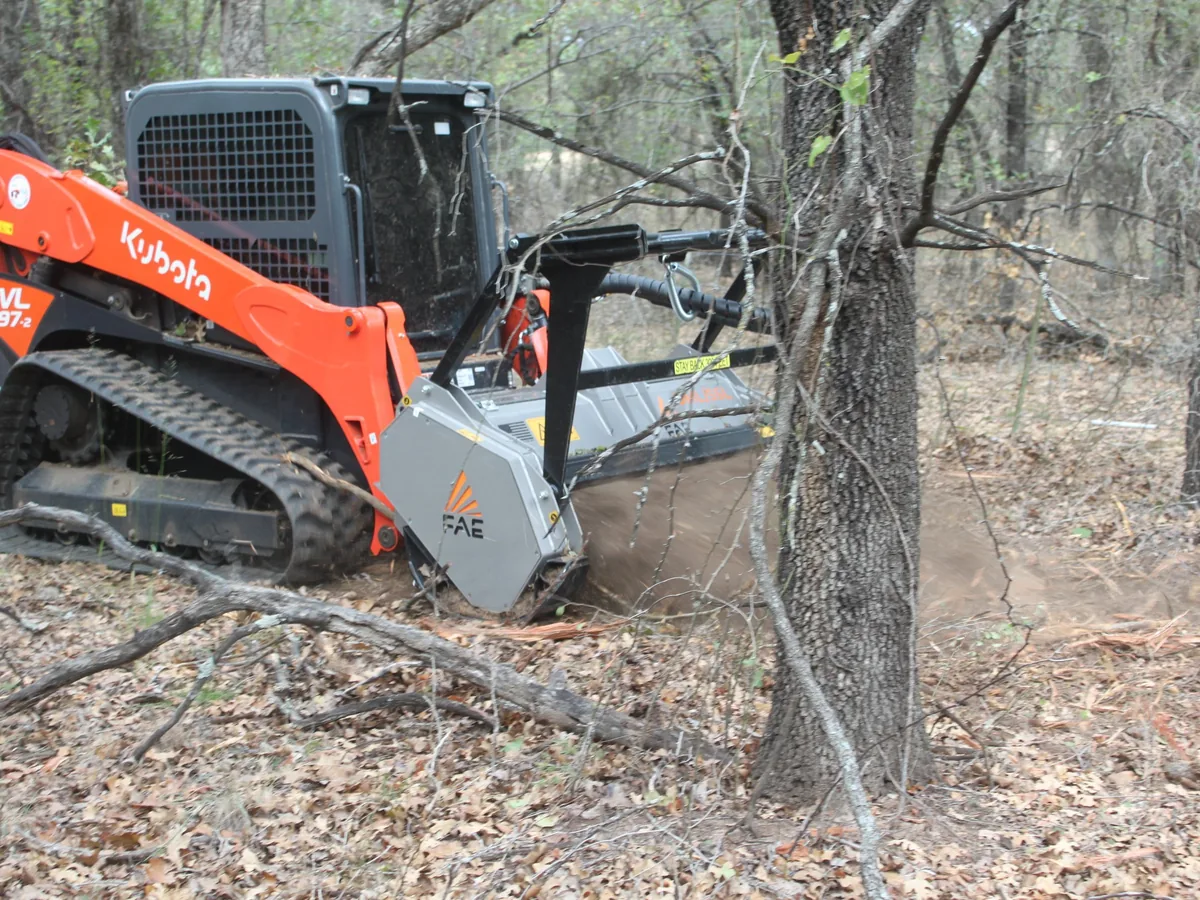
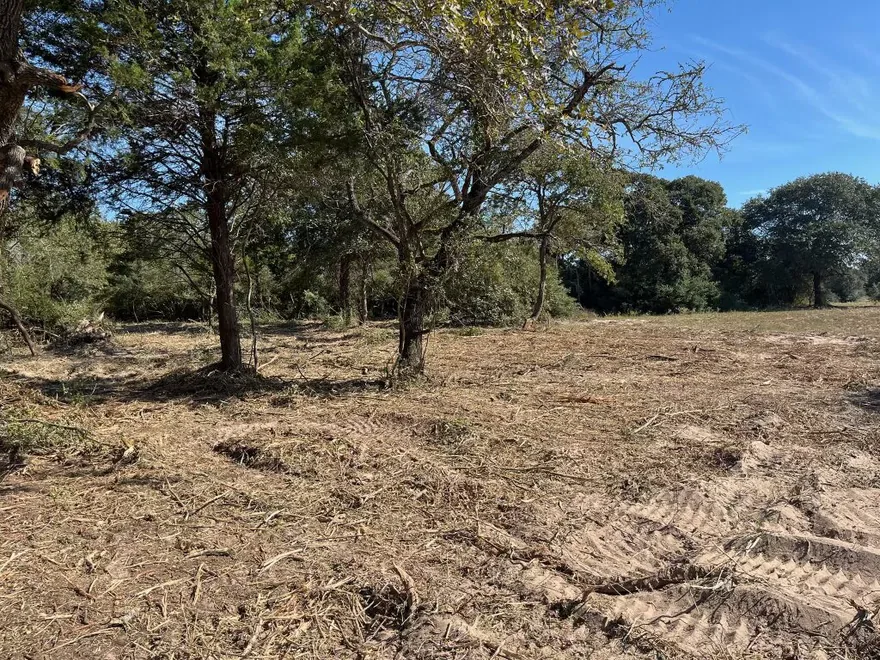
We clear with the same mulching head we use for forestry mulching. It grinds brush and small trees into mulch that stays on the ground. You mark the trees to keep, and the rest comes down. The rippers on the skid steer root plow the flats and lanes that must stay open.
Tell us about the land and the work it needs. We look at the land or your photos of it, then put the quote in writing.
Catarina clay is the most common soil in Webb County. NRCS soil records say its original cover was open grassland with occasional mesquite. As the range wears down, prickly pear and mesquite spread. U.S. Forest Service research adds that one mesquite in open grass can become the center of a ring of brush.
Mesquite clearing starts with the mulching head on the skid steer. Thickets of mesquite, huisache, blackbrush and whitebrush are ground into mulch where they stand. Cactus removal happens in the same pass, as prickly pear and tasajillo go down with the brush. The work runs selectively around what you keep, or across the whole tract.
Forest Service research puts most of a mesquite's dormant buds 2 to 6 inches below the soil. When the top is cut or ground off, new sprouts come from those buds. So a mesquite that is only mulched will usually sprout again.
That research also says mechanical clearing works on mesquite only when those buds are damaged or removed. Root plowing does that by cutting the roots below the bud zone. Texas A and M brush research gives huisache the same rule: cut the taproot below the crown. On ground that must stay open, the rippers follow the mulching head and root plow it.
Root plowing has limits, the Texas A and M research shows. It kills much of the grass, so reseeding is advised unless the soil holds a good supply of seed. Shallow-rooted whitebrush and prickly pear can survive it. Livestock and wildlife also spread mesquite seed, so plan on a later pass with the mulching head for new growth.
On a lot or a few acres, the brush has to come off before anything gets built. We clear the lot or the homesite footprint, plus the ground around pens and barns. Pad work and grading for the house belong to your builder or an excavation contractor. Clearing an acre or more for a house can fall under the state's construction stormwater rules, so ask your builder.
Brush also closes in around stock tanks and along pasture edges. We open those edges back up and leave the cover you mark for wildlife. Under the trees you keep, underbrush clearing takes out the brush below them.
On a hunting ranch, the lanes for feeders and blinds fall under sendero clearing. For brush along a fence, fence line clearing gets the line ready for the fence crew.
Call or text for a written quote. We work about 100 miles around Laredo across the South Texas brush country.
(956) 206-3992From the first call or text to the finished work, here is how it goes.
Call or text (956) 206-3992 and tell us where the land is and what it needs. Photos of the brush help.
We look at the land in person or in your photos. You show us what stays and what goes.
The quote comes to you in writing, with the work spelled out. Once you say yes, we set a date.
We trailer the skid steer to the property. The mulching head grinds the brush, and the rippers root plow any lane that has to stay open. Trench and post hole jobs get the trencher or the auger.
The mulch stays on the ground as cover, around the oaks and mottes you kept. On trench jobs, we backfill after the line is in when the quote includes it.
Common questions about brush clearing around Laredo and the South Texas brush country. If yours is not here, call or text and ask.
We cut new senderos and re-open old ones on hunting ranches around Laredo. The mulching head clears the lane, and the rippers root plow it where it needs to stay open.
Learn More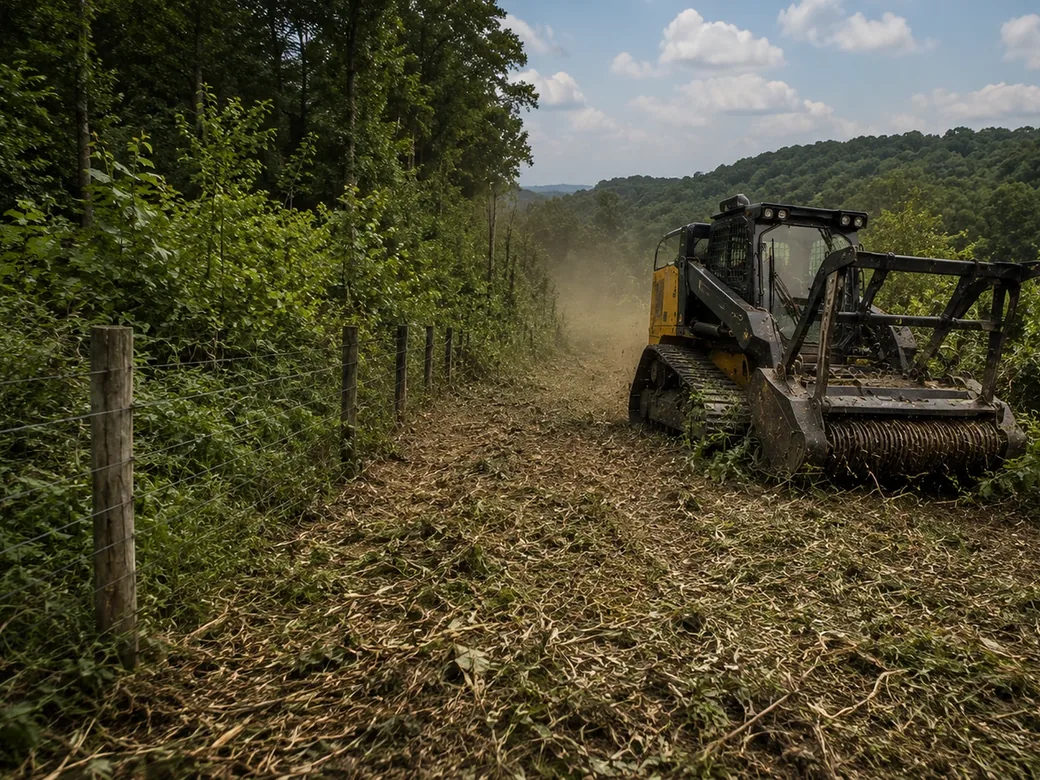
We clear mesquite and brush off old fence lines and cut the path for new ones. New lines get root plowed before the fence crew comes.
Learn More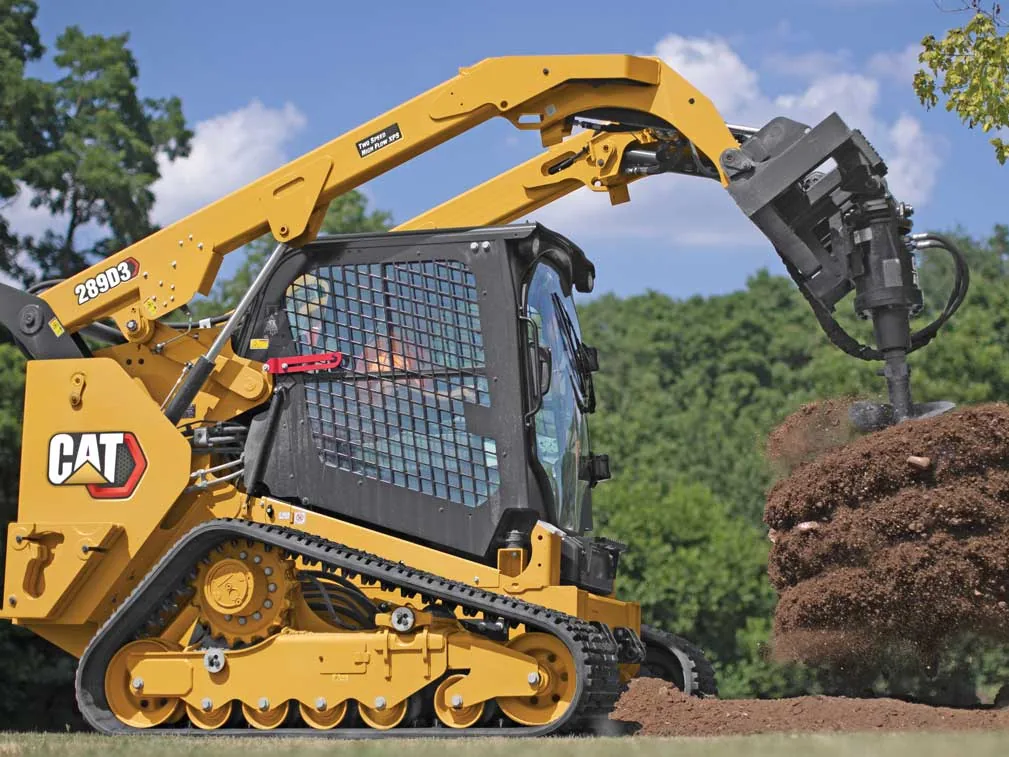
The auger on our skid steer drills fence post holes for ranch fences, game fences, pens and gates. Your fence builder gives the spacing and depth, and we drill to it.
Learn MoreThe skid steer runs a forestry mulching head, a trencher, an auger and rippers. The brush work and the dig work after it can come from one company.
The brush we clear stays on the land as a layer of mulch over the soil. Where regrowth has to stop, the rippers root plow the lane.
We look at the land first, or at the photos you text us. Then the quote comes to you in writing, with the work spelled out.
Laredo sits at the center of our service area. We work about 100 miles around it, from the border up to the edge of the Hill Country.
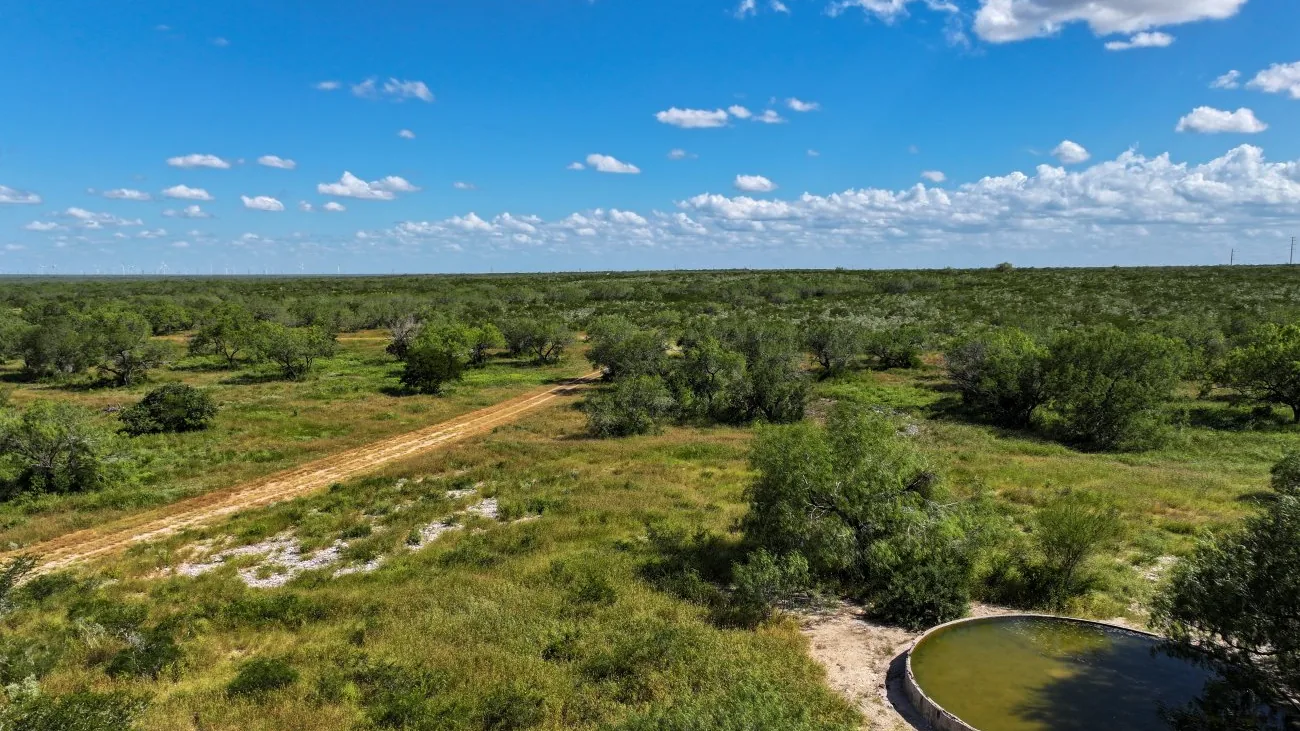
Mesquite sprouts back from a buried bud zone. Learn how mulching, root plowing, grubbing and fire compare, and when to mulch or root plow in South Texas.
Read more →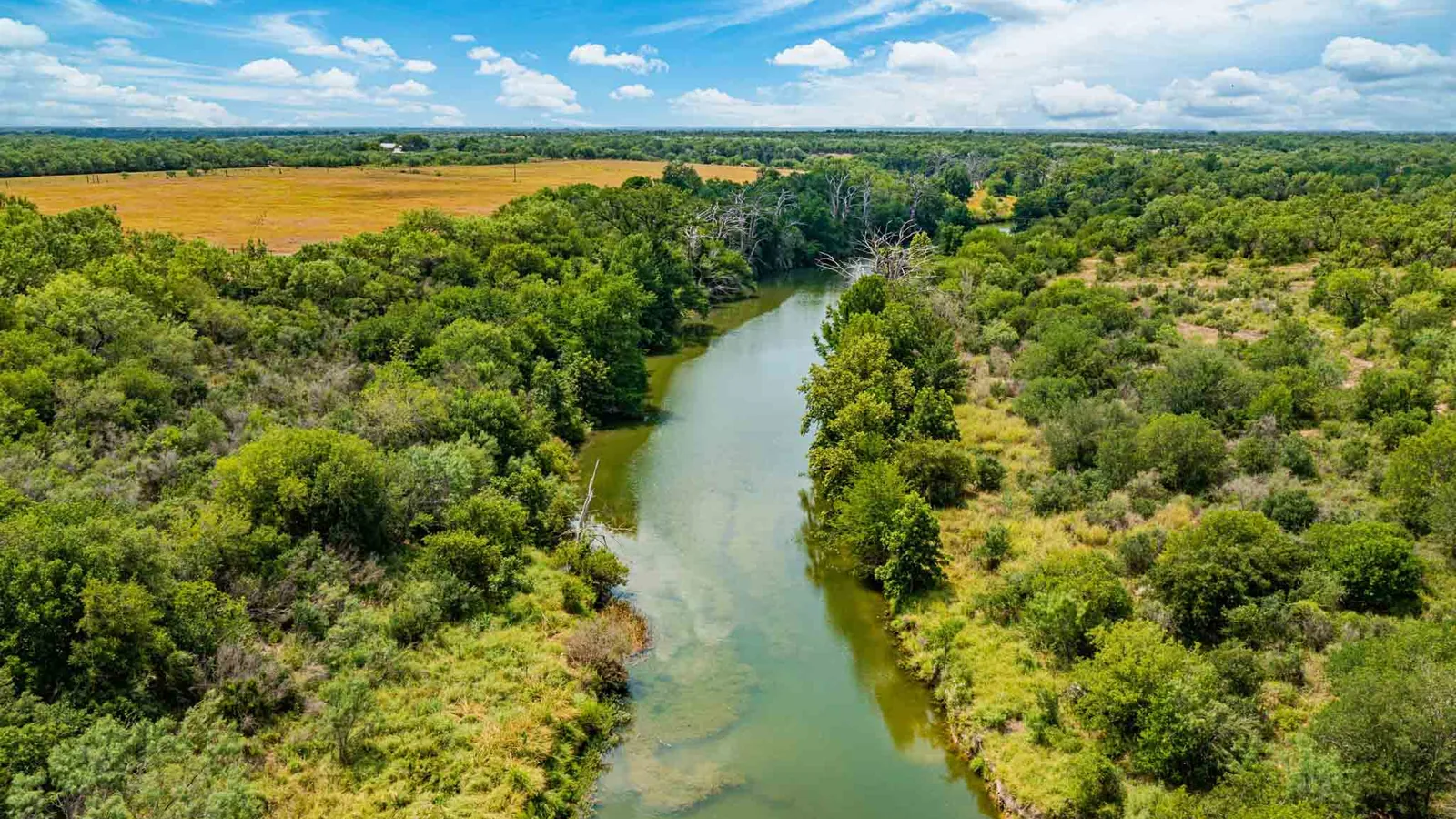
What forestry mulching costs per acre in Texas from national cost guides and the state extension survey, what moves the price, and the written quote.
Read more →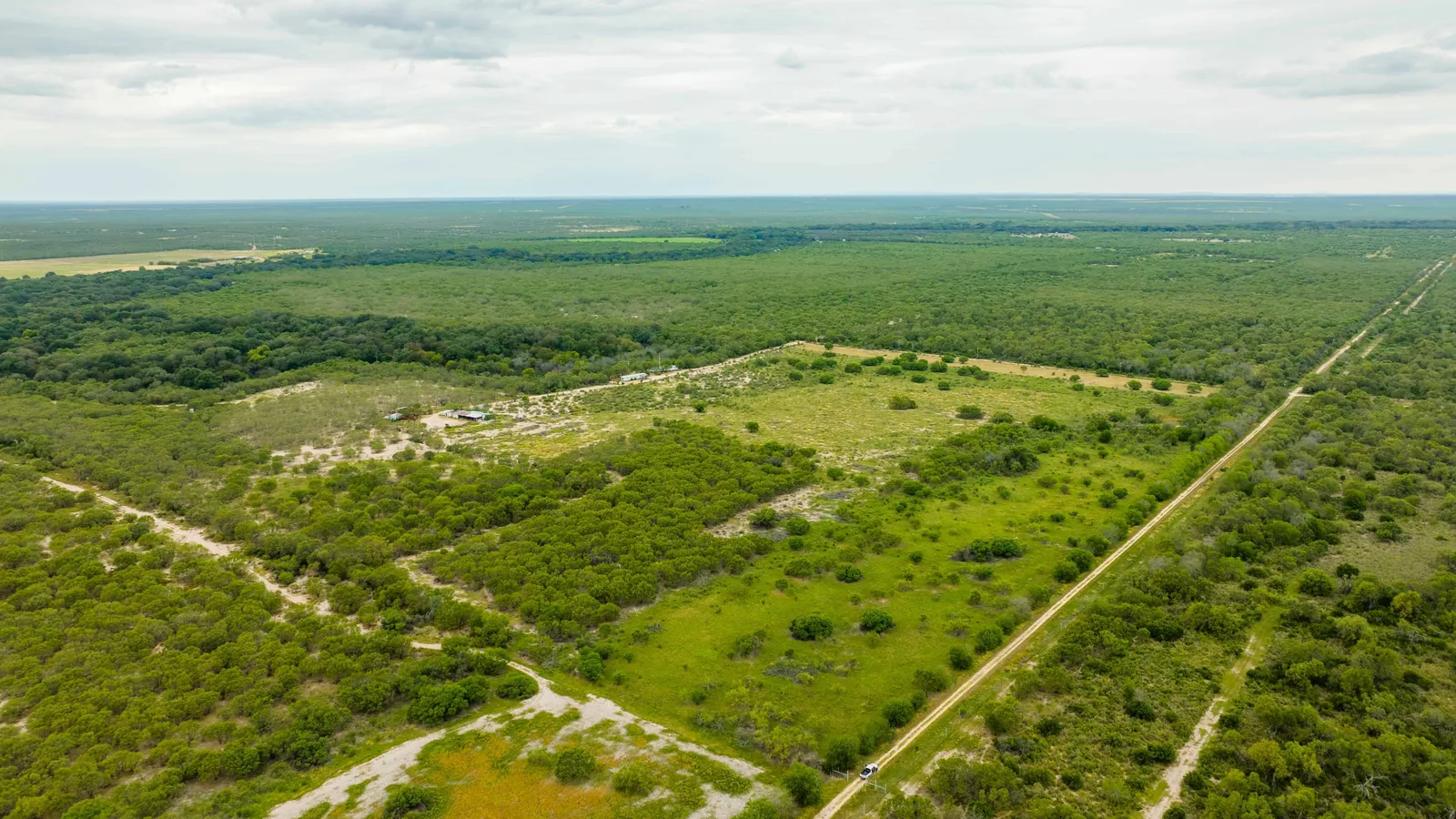
The Texas wildlife exemption in plain words: the 1-d-1 rules, the seven practices, what the appraisal district wants and where brush management fits.
Read more →Tell us where the property is and the work it needs, and send photos if you have them. Call or text (956) 206-3992 or use the form, and we will get back to you.
Tell us about the land and the work it needs. We look at the land or your photos of it, then put the quote in writing.